
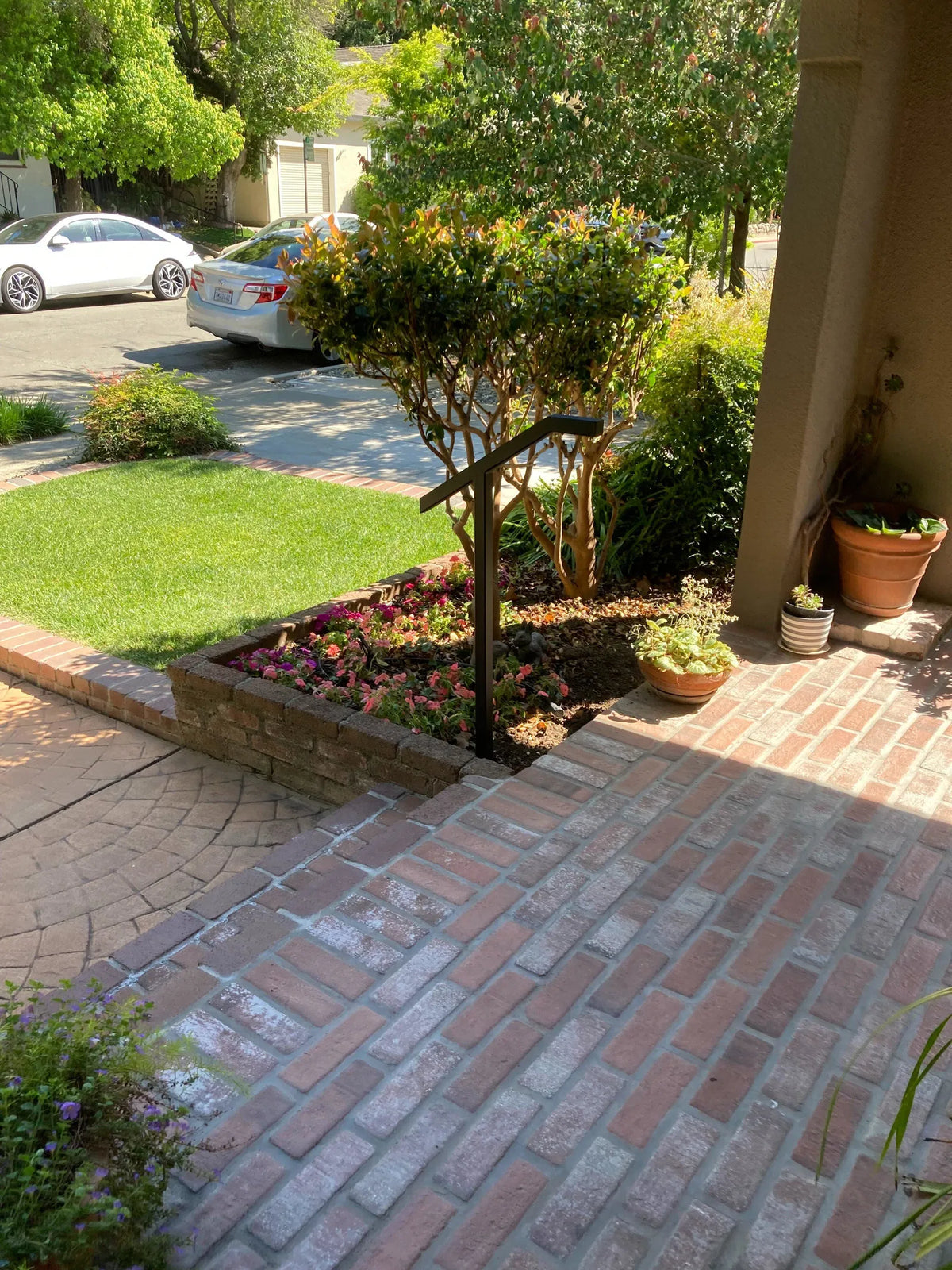
Outdoor Walkway Railing Ideas for Safer and More Attractive Residential Paths
Outdoor walkway railing ideas can help homeowners make paths safer while adding style to the property. A railing can provide support along steps, slopes, and raised walkways. It can also frame a garden path and improve the look of an entrance. For many homes, choosing the right metal handrails for porch areas can also help create a consistent exterior design.
A good walkway railing should fit the path, home, and landscape. It should also be strong enough for regular outdoor use. Before choosing a design, homeowners should consider the path's shape, weather exposure, material, finish, and local building rules.
Key Takeaways
A well-planned walkway railing can improve both safety and curb appeal. The design should match the property while giving people a stable place to hold when using steps or sloped paths.
-
Choose a railing based on the walkway layout.
-
Select materials suited to outdoor conditions.
-
Match the railing with the home's exterior.
-
Keep enough space for comfortable walking.
-
Consider custom designs for curved paths.
-
Check local rules before installation.
Why Outdoor Walkway Railing Ideas Matter
Walkways can have different levels, slopes, and surfaces. These changes can make some paths harder to use, especially during rain or at night. A railing can provide extra support and make the path easier to follow.
The railing should also work with the surrounding landscape. A design that is too large may overwhelm a small path. A simple railing may be a better choice when plants, stonework, or other features already attract attention.
Before planning a railing, consider:
-
Path width
-
Number of steps
-
Slope and elevation
-
Lighting
-
Surface condition
-
Daily foot traffic
Choosing the Right Landscape Railings
Landscape railings should complement the yard instead of standing apart from it. A simple metal design can work well with modern landscaping, while a more decorative pattern may suit a traditional garden.
The railing should also follow the natural shape of the path. Straight walkways can use straight sections, while curved paths may need custom work. The finish should coordinate with other exterior features when possible.
Useful design choices include:
-
Simple vertical balusters
-
Clean horizontal lines
-
Curved railing sections
-
Decorative details
-
Dark or neutral finishes
A balanced design can make the walkway feel more complete without making it look crowded.
Comparing Outdoor Railing Materials
Outdoor railing materials should be selected based on weather, use, appearance, and maintenance. Outdoor railings face rain, sunlight, moisture, and temperature changes. This makes durability an important part of the decision.
Metal can provide a strong and flexible option for many residential paths. Wood can create a warm look, while other materials may offer different maintenance benefits.
Homeowners should compare:
-
Weather resistance
-
Strength
-
Maintenance needs
-
Design flexibility
-
Finish options
-
Expected service life
Choosing a suitable material early can help prevent maintenance problems later.
Metal Handrails for Outdoor Steps
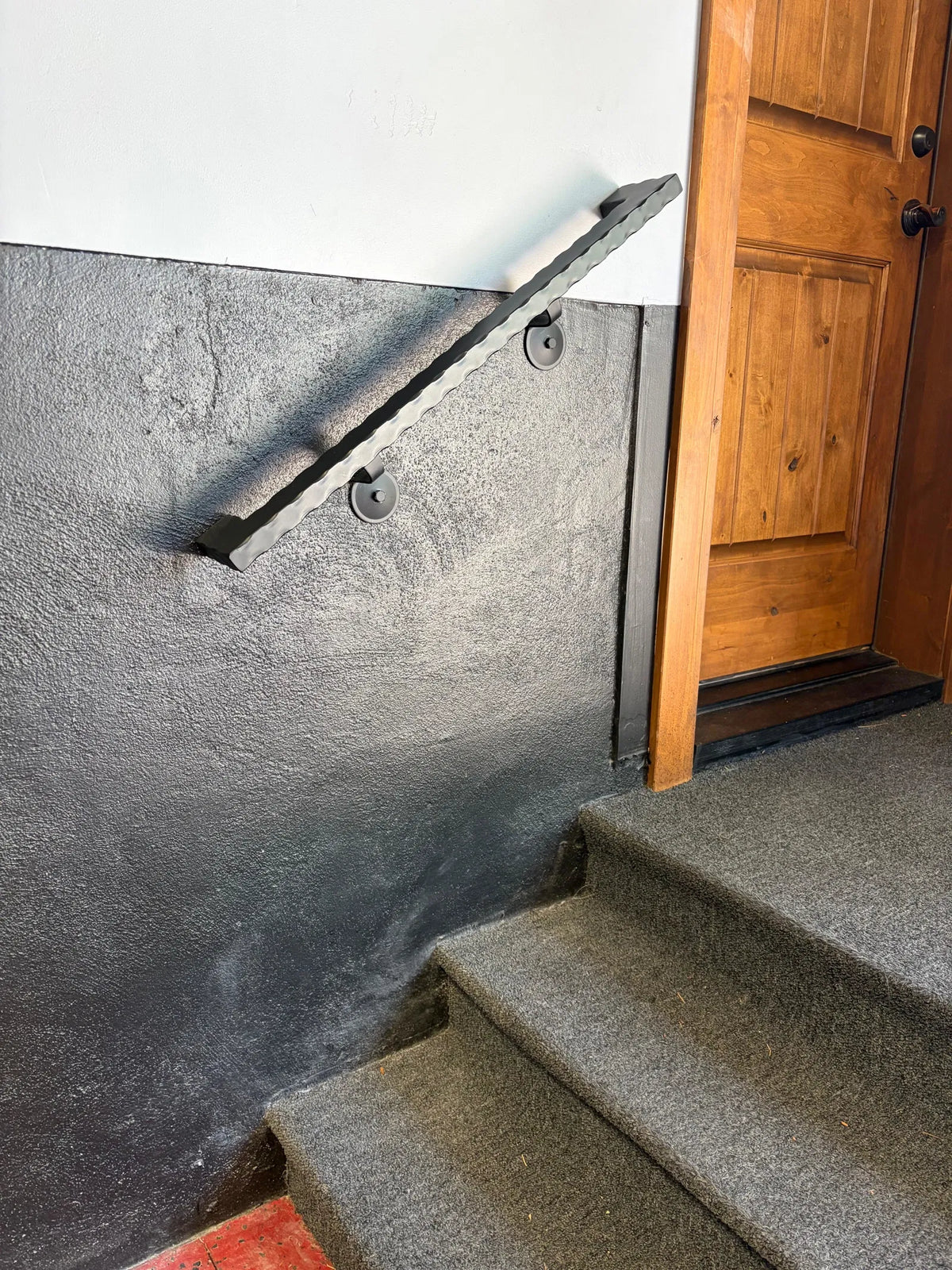
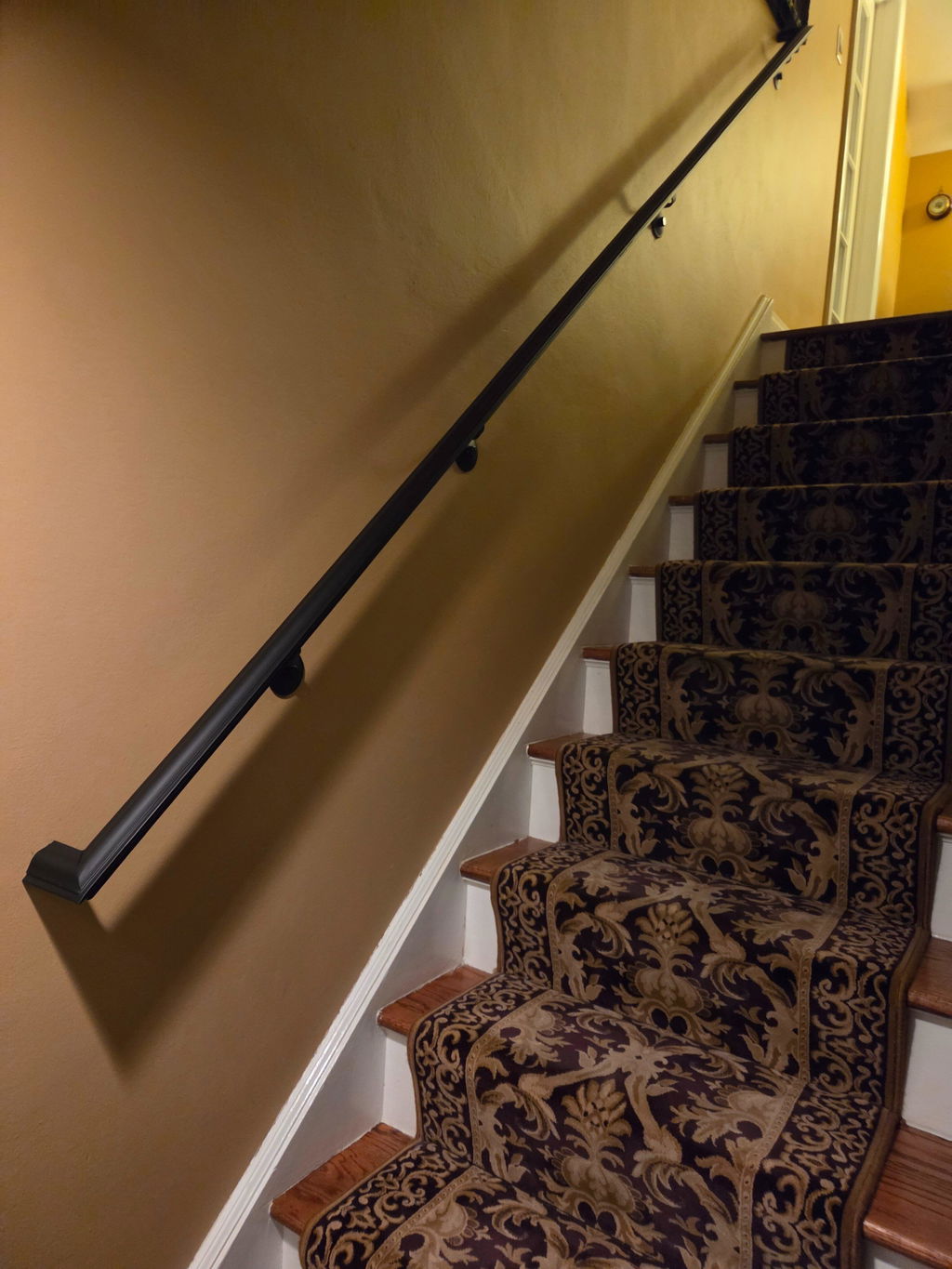
Metal handrails for outdoor steps can offer support on walkways that include changes in height. They can be made in simple styles or designed with decorative details. The best choice depends on the home's exterior and the shape of the steps.
The railing should be placed where people can use it comfortably. It should also leave enough room for safe movement along the stairs.
Before installation, check:
-
Step width
-
Railing position
-
Attachment points
-
Walking space
-
Surface finish
A professional can help determine the best design for unusual or complex stair layouts.
Creating a Clean Modern Look
Modern homes often use simple lines and open spaces. A walkway railing can follow the same approach. Straight rails, simple balusters, and a clean finish can add support without distracting from the architecture.
This style works especially well when the home has modern siding, large windows, simple landscaping, or contemporary outdoor lighting.
Modern railing ideas include:
-
Slim vertical lines
-
Minimal decorative details
-
Simple top rails
-
Dark finishes
-
Open visual spacing
The goal is to make the railing useful while keeping the overall design clean.
Adding Traditional Character
Traditional homes may benefit from more decorative railing designs. Curves, scrolls, and repeated patterns can connect the walkway with porch railings, gates, or other exterior features.
The amount of decoration should match the size of the walkway. A narrow path may need a simple pattern, while a wide entrance can support more detail.
Consider these options:
-
Curved sections
-
Decorative balusters
-
Classic metal patterns
-
Matching porch details
-
Traditional finishes
A coordinated design can make the walkway feel like a natural part of the home.
Walkway Improvements Beyond Railings
A railing is only one part of a safe and attractive walkway. Other walkway improvements can help make the path easier to use throughout the year. Good lighting, stable surfaces, and clear edges can all improve the area.
For example, pathway lights can make steps easier to see after sunset. Proper drainage can also help reduce standing water that may make walking surfaces slippery.
Useful improvements include:
-
Adding pathway lighting
-
Repairing uneven surfaces
-
Improving drainage
-
Trimming nearby plants
-
Marking changes in elevation
Combining these updates can create a more useful outdoor path.
When Custom Railings Make Sense
Not every walkway has a simple straight layout. Curves, slopes, unusual steps, and existing structures can make standard railing sections difficult to use. Custom work allows the railing to follow the actual shape of the property.
Custom railings can also help homeowners create a consistent design across the exterior. A similar finish or pattern can be used on walkways, porches, gates, and other metal features.
Custom work can provide:
-
Better measurements
-
More design choices
-
Solutions for curved paths
-
Matching finishes
-
Unique decorative details
Homeowners working on interior projects may also use custom table legs to bring a similar metal design into their furniture.
Safety and Local Requirements
Safety should always be considered before choosing a railing. The railing must be secure and positioned so that people can use it without blocking the walkway. Steps and elevated paths may also have specific local requirements.
Rules can differ based on the property and location. Homeowners should check the building requirements that apply to their project before installation.
Before installing a walkway railing, review applicable requirements and speak with a qualified professional to make sure the design suits the property.
Maintaining an Outdoor Railing
Regular care can help keep an outdoor railing in good condition. Dirt, moisture, and weather can affect exterior surfaces over time. A simple inspection can help homeowners spot small issues before they become larger problems.
Maintenance needs depend on the material and finish. However, basic cleaning and regular checks are useful for most outdoor railings.
Homeowners should:
-
Clean dirt and debris.
-
Check for loose connections.
-
Look for scratches or surface damage.
-
Inspect areas near attachment points.
-
Address signs of corrosion early.
Good maintenance can help extend the useful life of the railing.
Final Thoughts on Outdoor Walkway Railing Ideas
Outdoor walkway railing ideas can improve the safety, function, and appearance of residential paths. The right design should match the walkway's shape and the home's exterior while standing up to outdoor conditions.
Homeowners should consider material, finish, placement, maintenance, and local requirements before starting a project. Custom options can be especially helpful for curved or unusual walkways.
For related furniture projects, homeowners may also consider black metal table legs when creating a matching metal theme.
Contact TLB Metal Products to discuss your walkway railing project and find a custom solution that fits your home's needs.
FAQs
What type of railing is best for an outdoor walkway?
The best railing depends on the walkway shape, weather exposure, home design, and maintenance needs. Metal can be a strong option for many residential paths. The railing should also provide a secure grip and be properly attached.
Do all outdoor walkways need railings?
Not every walkway requires a railing. The need can depend on steps, elevation changes, slopes, and local building requirements. Homeowners should check the rules that apply to their property before deciding whether a railing is needed.
Can a railing be installed on a curved walkway?
Yes. Custom railing sections can be designed to follow curved or angled walkways. This can provide a better fit when standard straight sections cannot follow the path correctly.
How can I make a walkway railing match my home?
Choose a finish, shape, and design that works with existing exterior features. Door hardware, fencing, porch railings, lighting, and gates can all provide useful design ideas.
How do I maintain an outdoor metal railing?
Clean the railing regularly and inspect it for loose connections, scratches, and surface damage. Addressing small issues early can help protect the finish and keep the railing looking and working well.


Leave a comment
This site is protected by hCaptcha and the hCaptcha Privacy Policy and Terms of Service apply.