
TLB Inc

A Complete Guide to the Different Types of Handrails

Discover the styles, materials, and various applications for different types of handrails. Learn tips for choosing the perfect handrail for your project.

While handrails primarily serve a functional purpose, they go far beyond just providing support. They also promote safety, enhance aesthetics, and contribute to a property’s overall value. Whether you’re a homeowner planning renovations or a contractor working on a residential or commercial project, choosing the right handrails makes a significant difference.

This guide explores the various types of handrails, from materials and styles to practical applications. You’ll learn important considerations like safety standards and design tips to help you make the best decision for your project.

Different Types of Handrail Materials

The material of a handrail impacts its functionality and visual appeal. Wood is a traditional option that’s warm and versatile, making it suitable for indoor use in homes or offices. However, it often requires consistent maintenance to avoid warping and rotting.

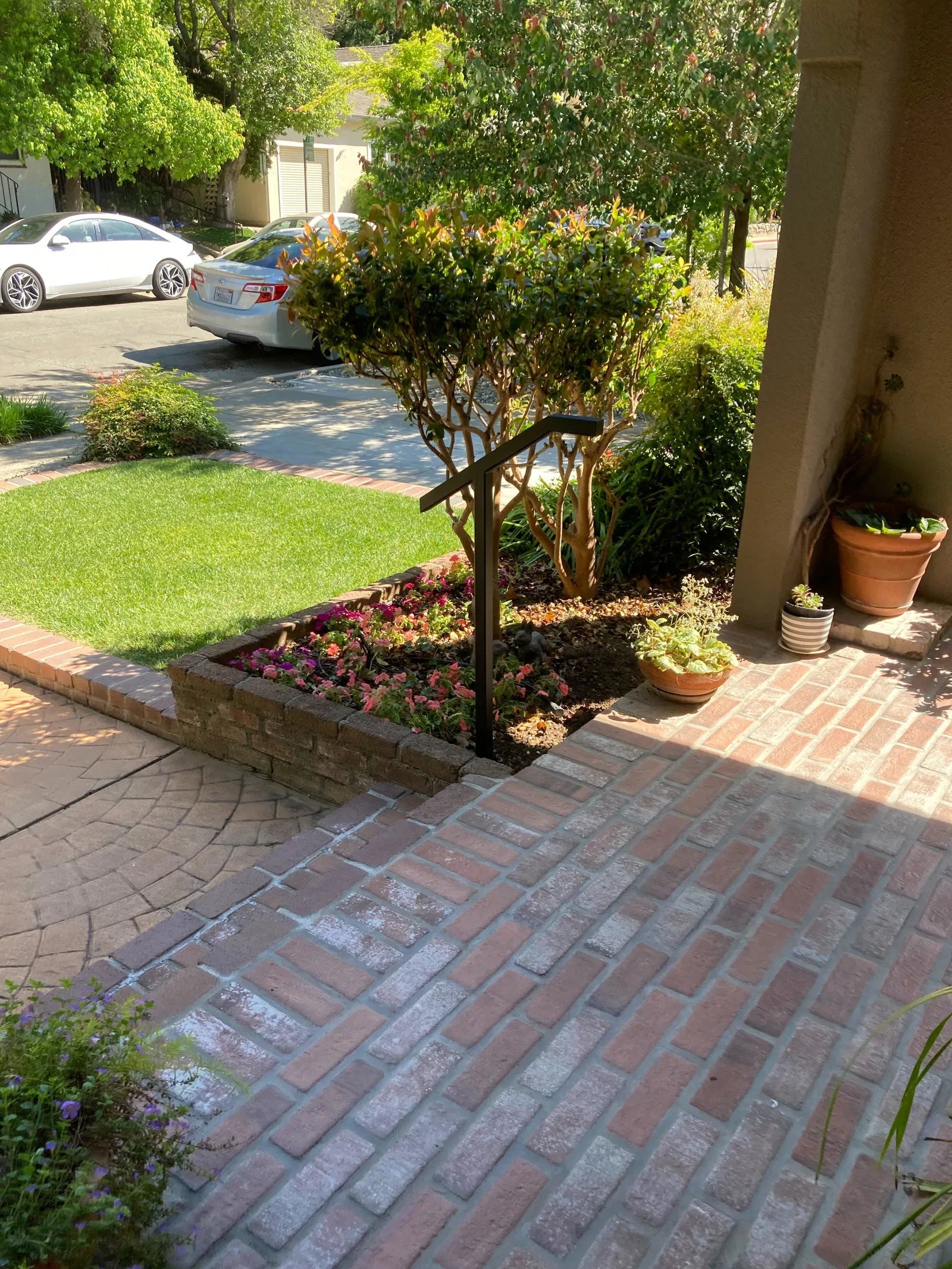
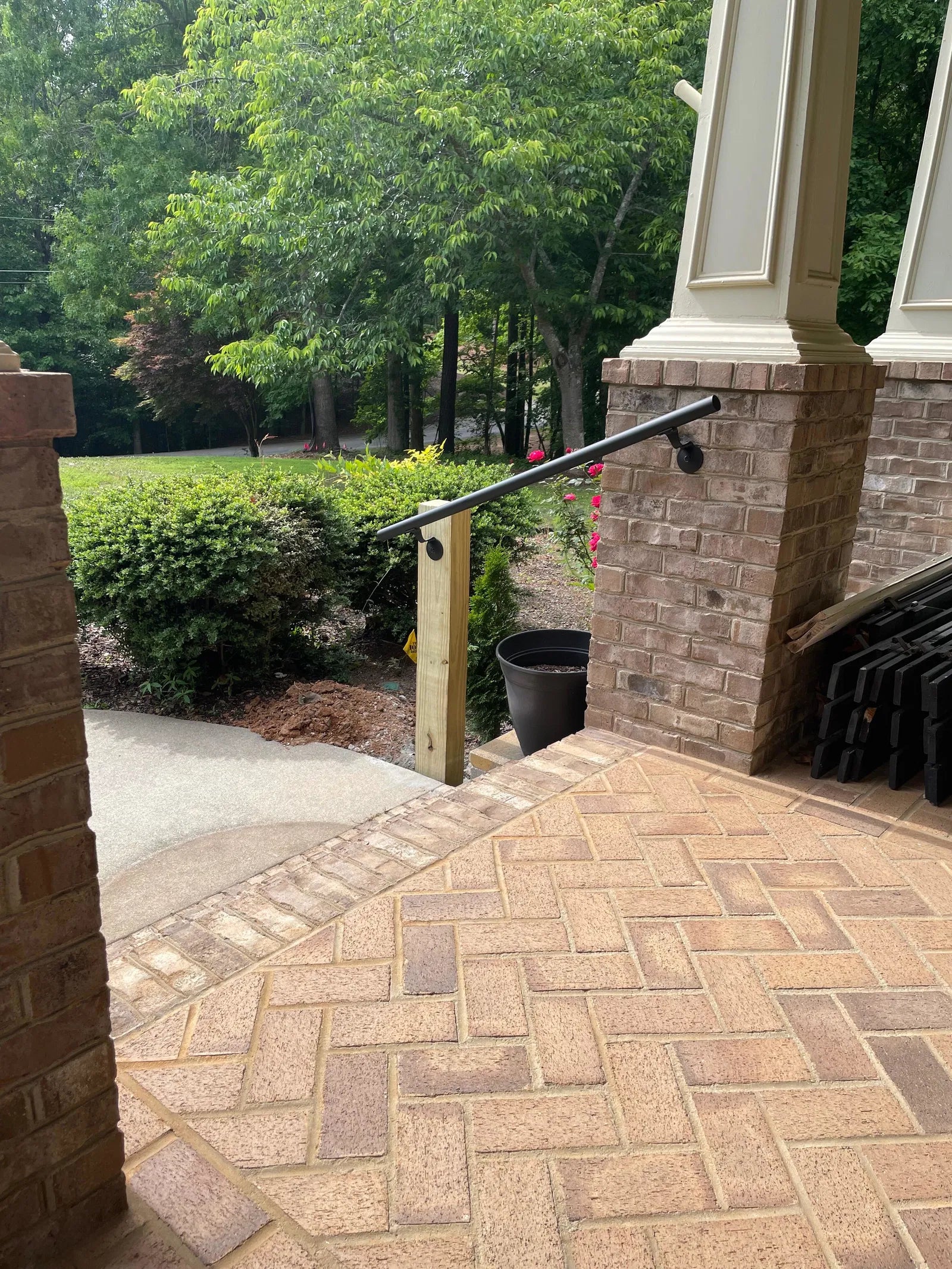
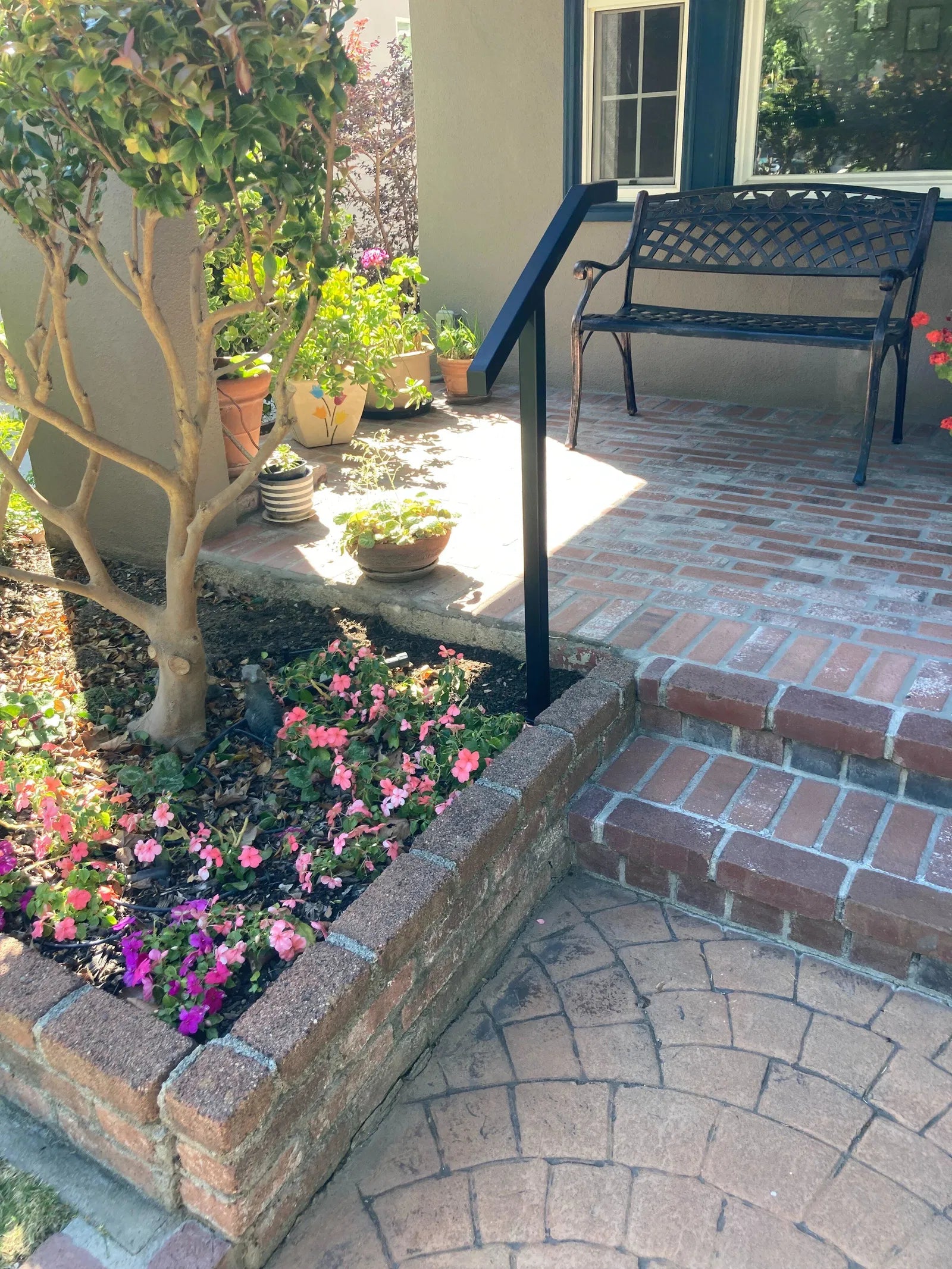
Metal is popular for its strength, durability, and modern aesthetic. Metals, such as stainless steel, aluminum, and wrought iron, are great for both indoor and outdoor settings due to their resistance to harsh weather conditions.

Composite materials combine wood and plastic, offering the look of wood with enhanced durability. While not as common, they are low-maintenance and ideal for humid environments.

The right material for your project ultimately depends on your specific needs, design vision, and budget constraints. Consider how each option balances appearance, durability, and maintenance requirements for your particular situation.

Why Metal Handrails Are the Best Choice

Metal handrails have become the top choice for a reason. Their exceptional durability stands up to moisture, pests, and temperature fluctuations, making them ideal for indoor and outdoor use.

Unlike wood, metal handrails require minimal maintenance. A quick wipe with a damp cloth is often enough to keep them looking great.

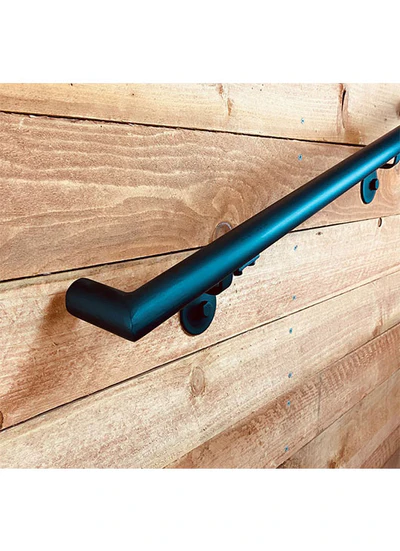
For contractors, metal handrails provide long-term value for clients due to their lasting strength and aesthetic flexibility. Homeowners who want to modernize their living spaces often prefer metal for its sleek, clean look. Additionally, metal handrails can undergo powder-coating finishing in various colors, complementing any architectural style.

A Complete Guide to the Different Types of Handrails

Handrail Safety Conditions and Codes

Safety should always be a priority when selecting and installing handrails. Both local and national building codes have specific requirements for handrails to ensure stability and user safety. Here’s a closer look at some of the standard handrail safety details.

  • Height Requirements: Most codes require handrail positioning between 34 and 38 inches from the surface of the stairs or walkway.
  • Strength Standards: Handrails must be able to support specific amounts of force, usually about 200 pounds, to prevent accidents.
  • Clearance: Codes often require a certain amount of space between the handrail and the wall, usually about 1.5 inches, to ensure people can grip them securely.

Always consult local building codes to ensure compliance. Properly installed handrails promote accessibility, protect people, increase property value, and curb liability risks.

Integrated Handrails vs. Mounted Handrails

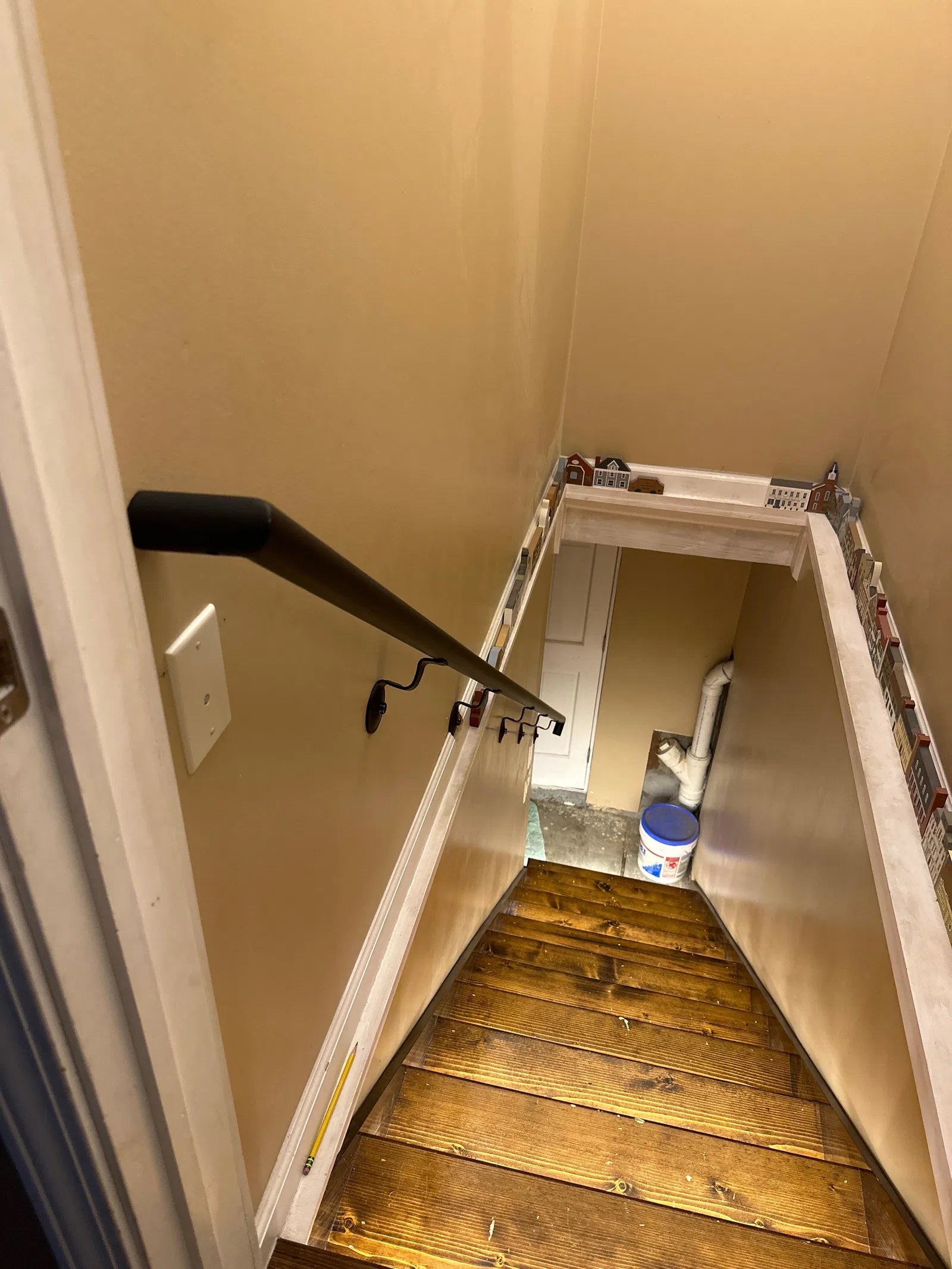
Handrail installations come in two main classification types: integrated (built into the architecture) or mounted (attached to the surface). Integrated handrails offer a seamless look, often blending into modern spaces. They require more complex planning and construction but can deliver a polished result.

Mounted handrails, on the other hand, are easier to install and allow for greater flexibility in design. These are common in renovations or when retrofits are necessary. If you have an area where you want to add handrails or replace old ones, mounting is the most efficient option.

Indoor vs. Outdoor Handrails

Handrails for indoor and outdoor use differ in terms of material, design, and durability. Indoor handrails generally lean toward aesthetics, using materials like sleek metal to complement the interior design.

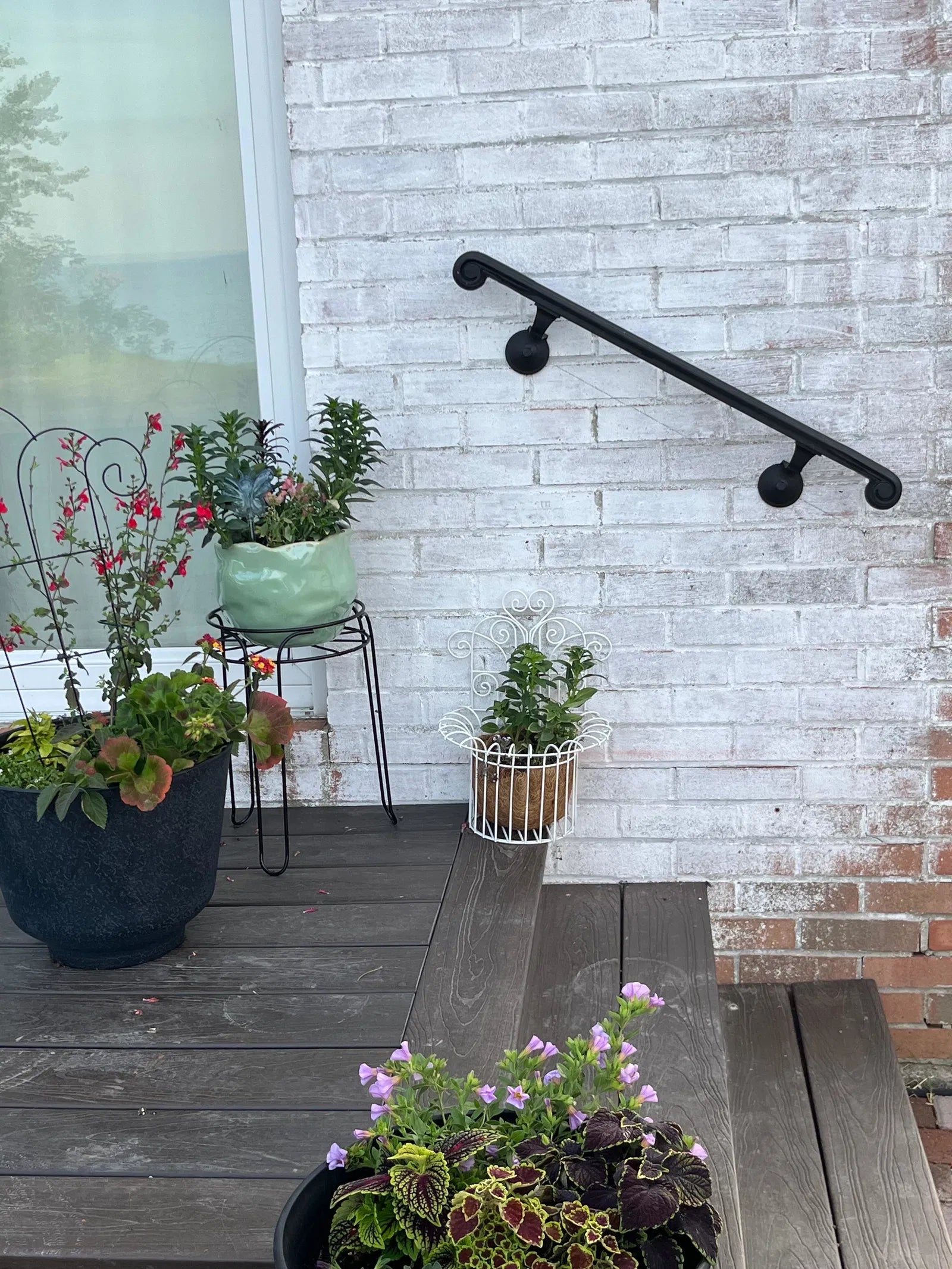
On the other hand, outdoor handrails must prioritize durability. Materials like powder-coated metals and stainless steel help withstand weather conditions without corroding.

UV-resistant finishes help outdoor installations maintain their appearance over time. Consider the environment and exposure to the elements when selecting handrails for outdoor applications.

Different Handrail Styles

Handrails come in a wide array of styles to suit various design preferences. Selecting the right style enhances their visual appeal and improves functionality.

Molding vs. Raw Design

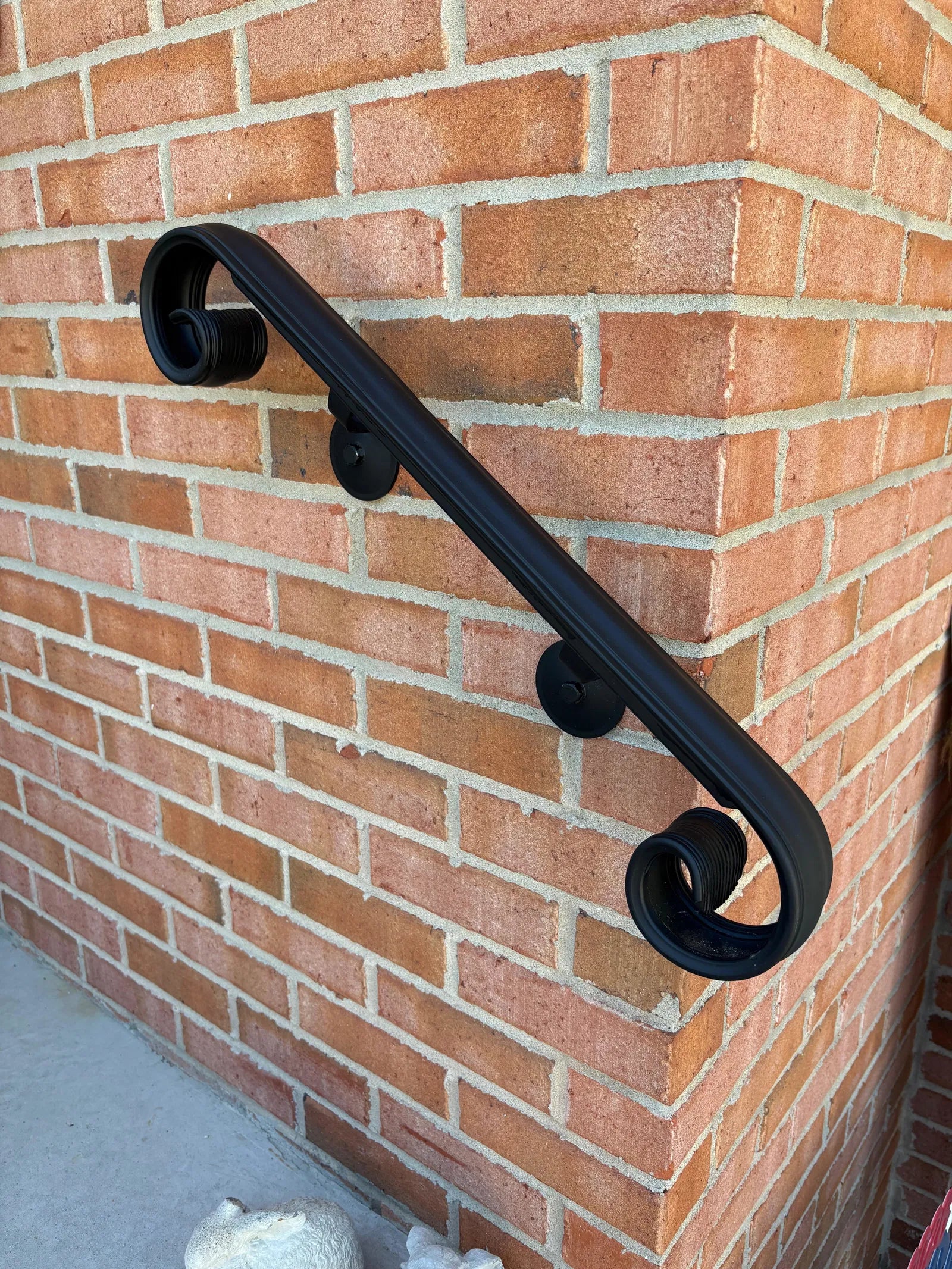
Molded handrails feature intricate designs and curves, adding elegance to traditional or classic interiors. Raw handrails, such as those made from untreated metal, provide a modern, minimalist look. Raw metal handrails can be more susceptible to rust, so these options are better suited for indoor use or with protective coatings that preserve their appearance.

Type of Cut

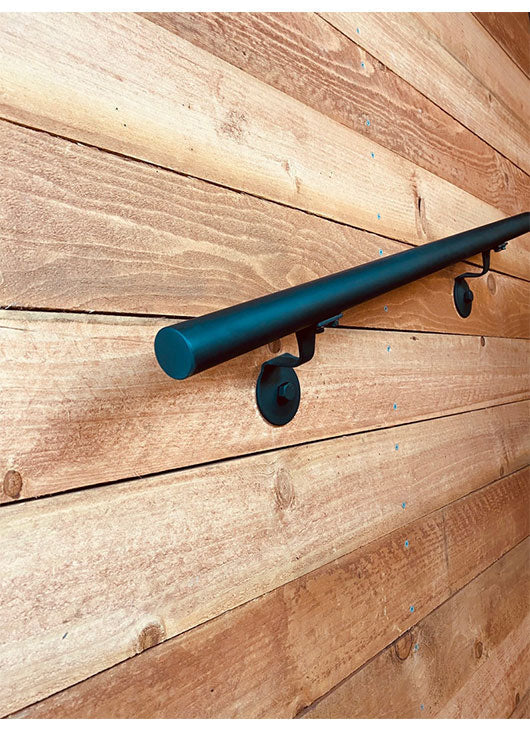
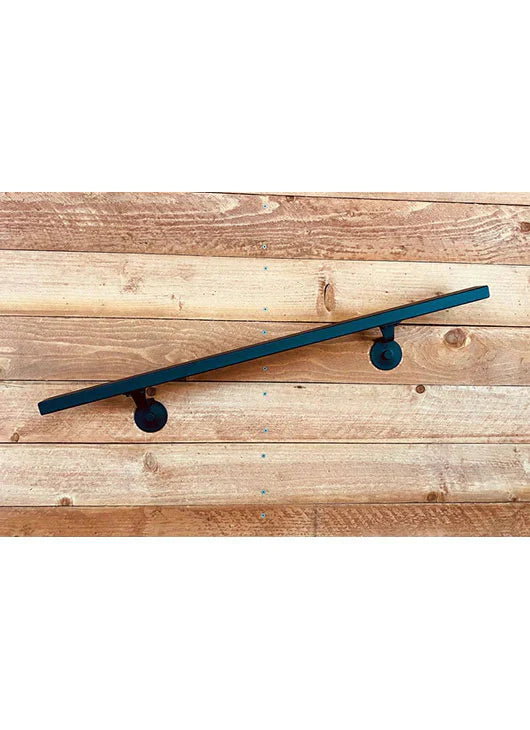
The type of cut determines how the handrail fits the space. Rounded cuts are common for a comfortable grip, while square or straight cuts offer a sleek, contemporary profile.

Wall Return or No Wall Return

Handrails with wall returns curve back into the wall, which is safer as it eliminates sharp edges and complies with many safety codes. Non-wall return designs have straight ends. Homeowners and contractors often choose non-wall return designs for aesthetic purposes in low-risk areas.

A Complete Guide to the Different Types of Handrails

Variety of Finishes

The finish of a handrail significantly influences its aesthetic. Here are some of the most popular finishes.

  • Polished chrome offers a high-shine, modern appeal.
  • Brushed nickel provides a subtle, matte look that hides fingerprints.
  • Powder-coated colors add durability and customization with a range of colored finishes to match any design.

The finish you select transforms the handrail’s tone and aesthetic, taking it from boldly industrial to subtly refined, depending on your design goals.

Choosing the Right Handrails for Your Project

Selecting the perfect handrail requires balancing functionality, design, and safety. Start by defining the purpose. Are they primarily for safety along stairs? Will they be indoors or outdoors? Are you looking for a design feature that enhances your décor?

Next, prioritize materials that suit the environment and design style. For example, coated steel works well for outdoor durability, while raw metals can create modern interior spaces. It is also essential to ensure the handrails comply with all local safety codes to avoid problems during inspections.

Additionally, choosing a reliable supplier like TLB Inc. helps you secure high-quality, durable handrails for stairs and more with professional support. Careful planning of the installation process, whether you’re mounting onto walls or integrating into new builds, helps promote safety and long-term durability. By following these steps, you’ll select the best handrails for your needs and add lasting value to the property.

Enhance Your Space With the Right Handrails

Handrails are more than just a functional necessity. They are an essential design element that highlights safety, style, and durability. Whether renovating a home or managing a construction project, understanding the different types of handrails and their applications can guide you toward the best choice.

If you’re planning to install or replace handrails, consider partnering with TLB Inc. for high-quality materials and expert advice. The right handrail will elevate the functionality and aesthetic of any space.