
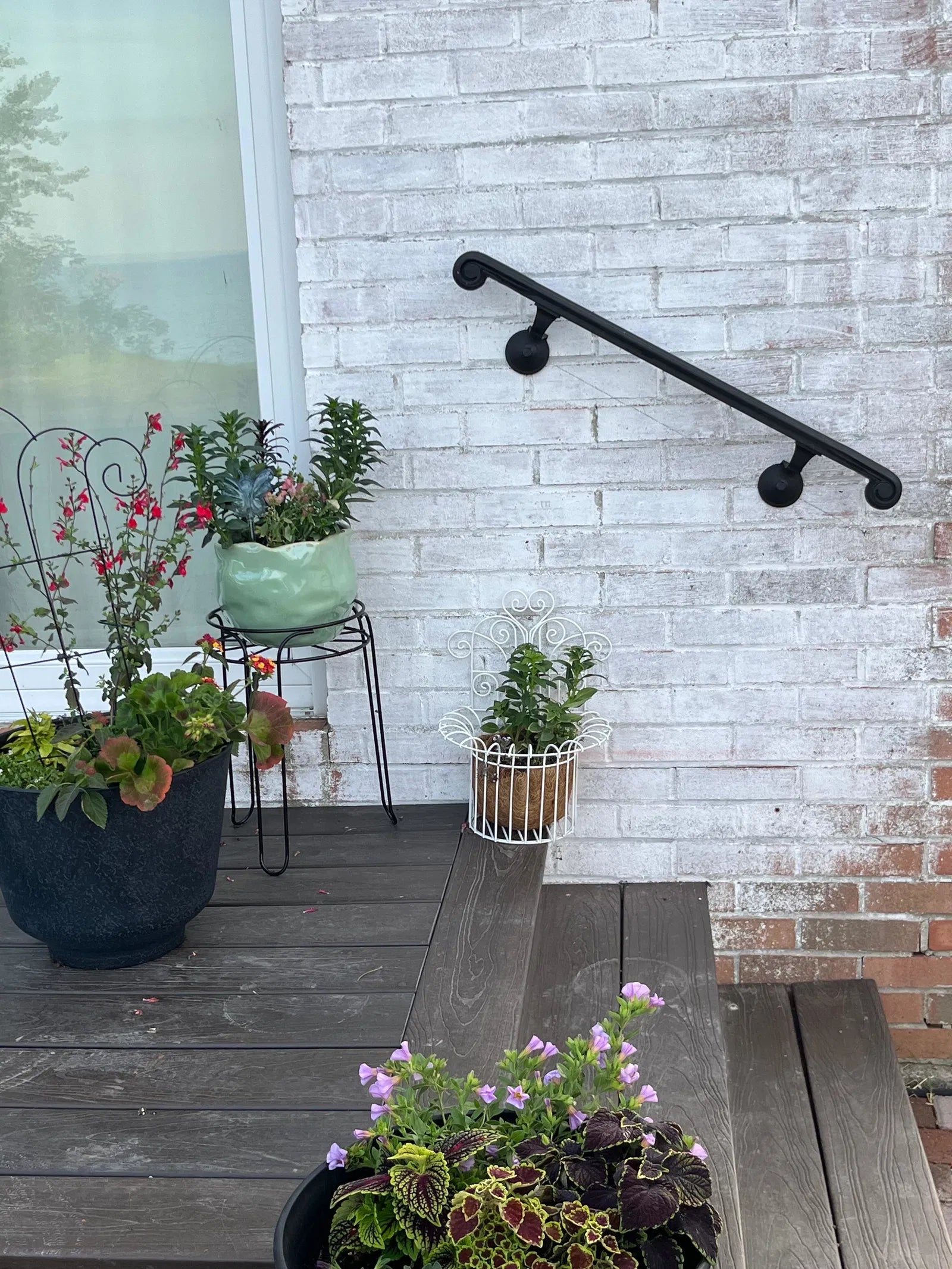
How Do You Properly Fit a Stair Handrail? A Complete Guide to Safe and Stylish Installation
How do you properly fit a stair handrail? The answer starts with careful planning, accurate measurements, and choosing quality materials. Whether you're upgrading an indoor staircase or installing metal handrails interior for a new home, the right handrail improves both safety and appearance. A properly installed handrail provides reliable support while giving your staircase a clean, modern finish.
Key Takeaways
-
Measure carefully before installing a handrail.
-
Choose durable materials that match your home's style.
-
Follow local building codes for safety.
-
Secure every bracket firmly into wall studs or structural supports.
-
Test the handrail before regular use.
-
Professional installation delivers the best long-term results.
Why Proper Stair Handrail Installation Matters
A stair handrail is more than a decorative feature. It helps people maintain balance while walking up and down stairs, reducing the risk of slips and falls. In addition, a well-installed handrail adds value to your home and complements modern interior design. Taking the time to install it correctly ensures years of dependable performance.
Benefits of a properly fitted stair handrail
-
Improves stair safety
-
Provides reliable support
-
Meets building code requirements
-
Enhances the overall appearance
-
Increases property value
-
Offers long-lasting durability
Step 1: Choose the Right Handrail Material
Before beginning the installation, select a material that fits both your design preferences and maintenance needs. Metal handrails are popular because they combine strength with a modern appearance.
Common handrail materials include:
-
Steel
-
Stainless steel
-
Aluminum
-
Wrought iron
-
Wood
-
Mixed metal and wood designs
Steel is often preferred because it is durable, easy to maintain, and works well in contemporary homes.
Step 2: Measure the Staircase Carefully
Accurate measurements are essential for successful fitting stair handrail projects. Measure the total length of the staircase, the rise and run of each step, and determine the correct mounting height before ordering or cutting materials.
Be sure to measure:
-
Stair length
-
Stair angle
-
Handrail height
-
Distance between brackets
-
Landing areas
-
Wall clearance
Double-checking measurements helps prevent costly installation mistakes.
Step 3: Follow Building Code Requirements
Every handrail installation should meet local building regulations. These rules are designed to improve safety and ensure the handrail provides proper support for everyone using the staircase.
Important code considerations include:
-
Correct handrail height
-
Continuous grip surface
-
Secure mounting
-
Proper clearance from the wall
-
Smooth transitions at landings
-
Strong bracket spacing
Step 4: Install Strong Mounting Brackets
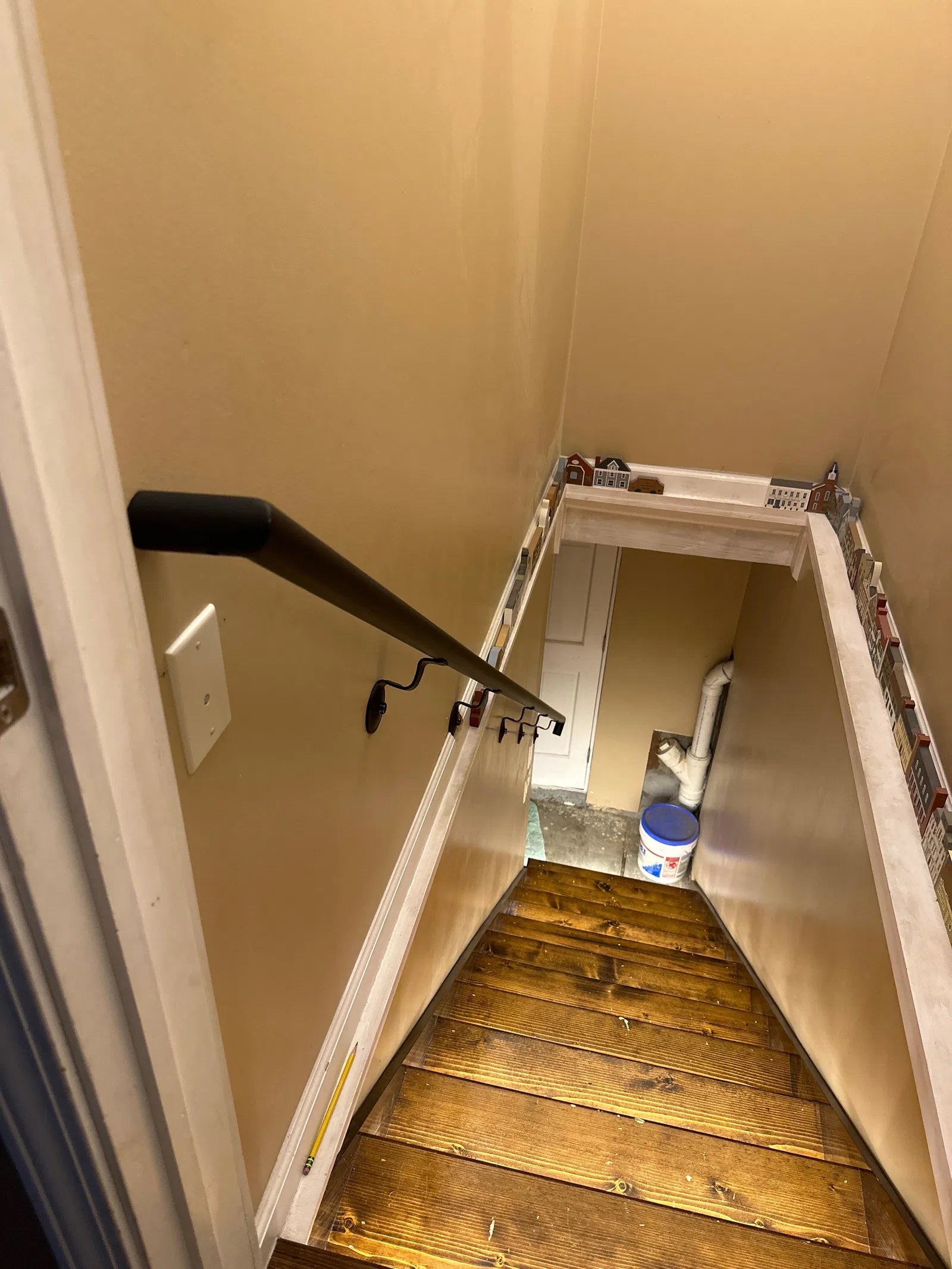
The strength of the entire handrail depends on the mounting brackets. Always fasten brackets into wall studs or structural framing whenever possible. Secure brackets prevent movement and provide reliable support during everyday use.
Best installation practices include:
-
Locate wall studs
-
Use heavy-duty fasteners
-
Space brackets evenly
-
Check alignment frequently
-
Tighten hardware securely
-
Test stability before use
A solid mounting system extends the life of your handrail.
Step 5: Install the Handrail Securely
Once the brackets are installed, position the handrail carefully and attach it according to the manufacturer's recommendations. Confirm that every connection is secure before tightening all hardware completely.
After installation:
-
Check for movement
-
Tighten all fasteners
-
Inspect bracket alignment
-
Verify comfortable grip height
-
Ensure smooth ends
-
Perform a final safety test
Testing the handrail before regular use helps identify any adjustments that may be needed.
Stair Handrail Installation Mistakes to Avoid
Many installation problems occur because of rushed measurements or poor mounting practices. Avoiding these common mistakes leads to a safer and longer-lasting result.
Common mistakes include:
-
Incorrect measurements
-
Loose mounting brackets
-
Poor-quality hardware
-
Ignoring building codes
-
Uneven bracket spacing
-
Weak wall anchors
Taking your time during installation improves both safety and appearance.
Choosing Between Wall-Mounted and Stair-Mounted Handrails
The best installation method depends on your staircase design and available space. Wall-mounted systems are common for enclosed staircases, while stair-mounted railings are often used in open-concept homes.
Wall-mounted handrails
-
Save space
-
Clean appearance
-
Easy to install
-
Great for enclosed staircases
Stair-mounted handrails
-
Modern architectural look
-
Strong structural support
-
Suitable for open staircases
-
Flexible design options
Both systems can be customized to match your home's style.
Why Metal Handrails Are a Popular Choice
Metal handrails continue to grow in popularity because they offer excellent durability with minimal maintenance. Powder-coated finishes resist scratches, moisture, and corrosion while providing a sleek modern appearance.
Advantages include:
-
Long lifespan
-
Modern design
-
Low maintenance
-
High strength
-
Custom finishes
-
Excellent value
These benefits make metal handrails a smart investment for many homeowners.
Professional Installation vs DIY
While some homeowners choose to install handrails themselves, professional installers have the tools and experience to ensure precise measurements and secure installation. They also understand local building codes and can customize solutions for unique stair layouts.
Professional installation offers:
-
Accurate measurements
-
Proper code compliance
-
Expert fabrication
-
Secure mounting
-
Better finish quality
-
Long-term reliability
For custom projects, working with experienced metal fabricators often delivers the best results.
Related Metal Fabrication Solutions
Many homeowners upgrading their staircases also explore other custom metal products for their homes. Popular options include metal handrails for outside steps, outdoor iron handrails, custom metal table legs, u shaped table legs, office table legs, modern metal table legs, and custom coffee table legs to create a consistent modern design throughout the property.
Conclusion
Understanding how do you properly fit a stair handrail helps ensure your staircase is safe, functional, and visually appealing. From selecting quality materials to following proper stair handrail installation practices, every step contributes to a durable result that lasts for years. Whether you're upgrading an existing staircase or designing a new one, investing in professional craftsmanship provides lasting peace of mind.
Ready to upgrade your staircase? Contact TLB Metal Products today to discuss custom handrails and professionally fabricated metal solutions designed to fit your home perfectly.
Frequently Asked Questions
How high should a stair handrail be?
Most residential building codes require stair handrails to be installed between 34 and 38 inches above the stair nosing. This measurement is designed to provide comfortable support while improving safety for anyone using the stairs. Keeping the handrail within the recommended height helps reduce the risk of slips and falls while ensuring the staircase complies with building regulations. Since local building codes may vary, always verify the requirements in your area before beginning installation or renovation.
Can I install a stair handrail myself?
Yes. Many homeowners with basic DIY experience can install a stair handrail using the proper tools and following the manufacturer's instructions. However, professional installation is recommended for custom staircases, curved stairways, or projects that require structural modifications. A professionally installed handrail ensures maximum stability, meets local building codes, and provides reliable long-term safety for everyone in the home.
What is the best material for stair handrails?
Steel is one of the most popular materials for stair handrails because it offers outstanding strength, durability, and a sleek modern appearance. It resists corrosion, requires very little maintenance, and can be finished in a variety of colours to match different interior styles. Other excellent options include stainless steel, wrought iron, aluminum, and wood, each offering unique design benefits depending on your home's architecture and personal preferences.
How many brackets does a stair handrail need?
The number of brackets required depends on the overall length of the handrail and the applicable building code requirements. In most residential installations, brackets are evenly spaced to provide consistent support and prevent the handrail from flexing or moving during use. Longer handrails require additional brackets to maintain stability and ensure user safety. Always follow the manufacturer's installation guidelines and local building regulations for the best results.
Do stair handrails increase home value?
Yes. Installing high-quality stair handrails can increase the overall value of a home by improving both safety and visual appeal. Modern handrails made from durable materials such as steel, glass, or wood create a more polished and attractive interior while giving potential buyers greater confidence in the property's condition. Investing in professionally installed handrails not only enhances everyday functionality but can also contribute to stronger resale value.

Leave a comment
This site is protected by hCaptcha and the hCaptcha Privacy Policy and Terms of Service apply.