
What Parts Are Needed for Metal Stair Railings (Complete 2026 Guide)
What parts are needed for metal stair railings is a key question when planning a safe and strong staircase. Whether you are installing new railings or upgrading old ones, knowing each part helps you make better decisions. Many homeowners also use similar components for metal handrails for concrete stairs to ensure strength and durability. In this guide, you will learn about all the essential parts in a simple and easy way.
Key Takeaways:
-
Every railing system has multiple important parts
-
Each component plays a role in safety and stability
-
High-quality hardware ensures long-lasting performance
-
Proper installation improves durability
-
Custom parts can enhance both style and function
Main Components of Metal Stair Railings
A metal stair railing system is made up of several parts that work together. Each component has a specific role, and missing even one part can affect safety. Understanding these parts helps you build a strong and reliable railing system.
The main structure usually includes the handrail, posts, balusters, and connectors. These parts are designed to provide support, balance, and protection while using stairs.
Core components:
-
Handrail (top support for grip)
-
Posts (vertical support structures)
-
Balusters (vertical bars between posts)
-
Base plates (connect posts to the surface)
-
Fasteners (screws and bolts for assembly)
Handrail: The Top Support
The handrail is the most important part of the system. It is the section you hold while going up or down the stairs. A strong and comfortable handrail improves safety and ease of use.
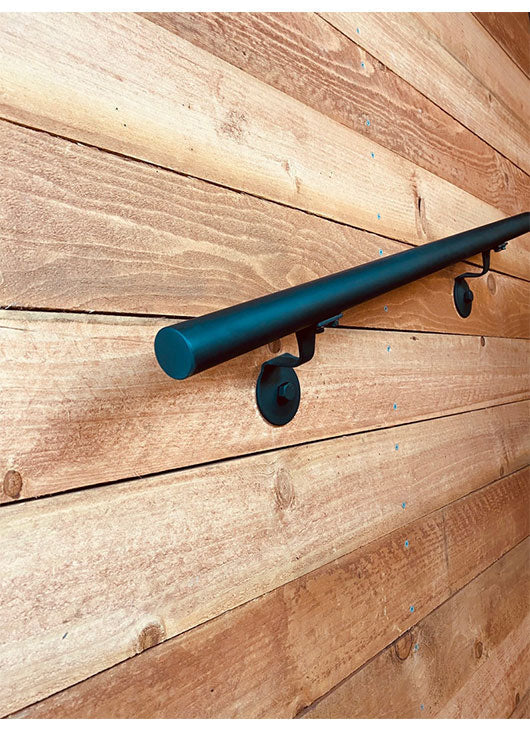
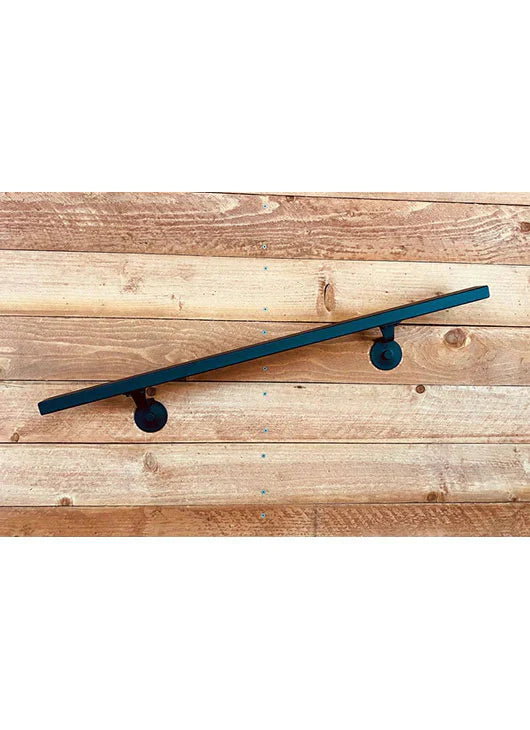
Handrails come in different shapes and sizes. Some are round for better grip, while others are flat for a modern look. Choosing the right design depends on your comfort and style preference. For example, options like Round, Metal Handrails, Flat Black, Straight Cut combine comfort with a sleek modern finish.
Key features of handrails:
-
Smooth surface for easy grip
-
Strong material like steel or aluminum
-
Proper height for safety
-
Comfortable thickness
-
Durable finish for long use
Posts: The Main Support Structure
Posts are vertical supports that hold the entire railing system. They are fixed to the ground or stairs and provide strength to the structure. Without strong posts, the railing cannot stay stable.
Posts are usually made of steel or iron for maximum durability. They must be installed securely to handle weight and pressure.
Important points about posts:
-
Provide primary support
-
Fixed firmly to stairs or floor
-
Made from strong materials
-
Positioned at regular intervals
-
Essential for stability
Balusters: Safety and Design Element
Balusters are vertical bars placed between posts. They prevent people from falling off the stairs and also add to the design of the railing.
Balusters come in many styles, from simple straight bars to decorative patterns. They are an important part of both safety and appearance.
Baluster features:
-
Prevent falls and accidents
-
Improve overall design
-
Available in different styles
-
Strong and durable
-
Easy to maintain
Handrail Brackets and Connectors
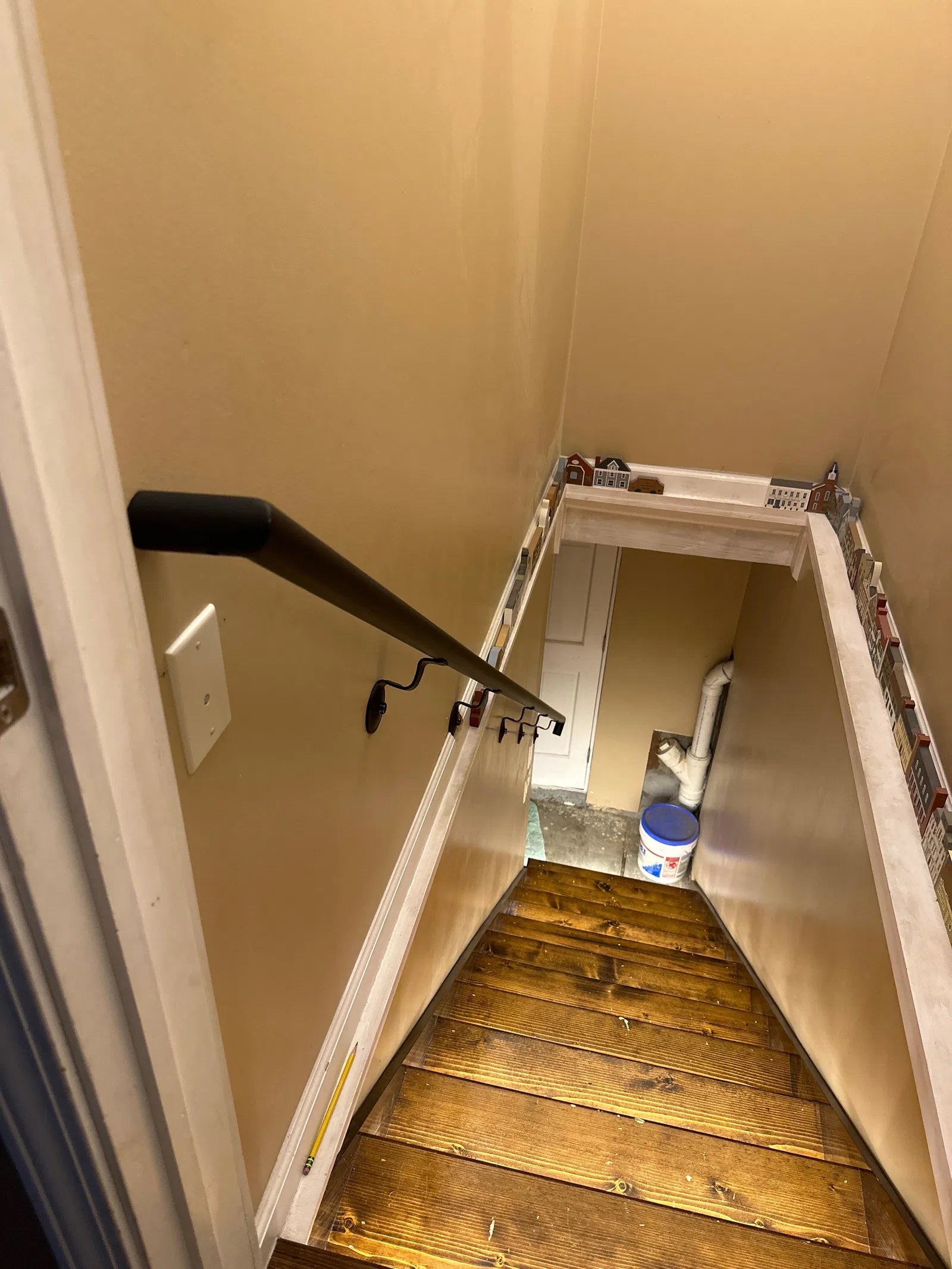
Brackets and connectors are used to join different parts of the railing system. They help attach the handrail to posts and walls. These small components play a big role in keeping the system secure.
Good-quality brackets ensure that the railing does not move or loosen over time. They also make installation easier and more reliable.
Bracket and connector roles:
-
Attach handrails to posts or walls
-
Provide additional support
-
Ensure proper alignment
-
Improve overall strength
-
Make installation easier
Base Plates and Mounting Hardware
Base plates are used to fix posts to the ground or stairs. They are usually attached with bolts or anchors. This ensures that the railing stays in place even under pressure.
Mounting hardware includes screws, bolts, and anchors. These small parts are essential for holding everything together.
Mounting essentials:
-
Base plates for secure attachment
-
Bolts and anchors for stability
-
Strong connection to concrete or wood
-
Proper alignment during installation
-
Long-lasting performance
Additional Safety Components
Some railing systems include extra safety features. These components improve usability and reduce the risk of accidents. They are especially useful in homes with children or elderly people.
Adding safety components ensures that your railing meets modern standards and provides maximum protection.
Extra safety parts:
-
End caps for smooth edges
-
Grip-enhancing coatings
-
Anti-slip features
-
Protective covers
-
Reinforcement bars
Choosing the Right Materials
Material selection is very important when choosing railing parts. Different metals offer different benefits. Some are better for indoor use, while others are ideal for outdoor conditions.
For example, stainless steel is great for modern interiors, while coated steel works well outdoors. Many homeowners also use similar materials for metal handrails for decks to ensure durability.
Material options:
-
Steel for strength and durability
-
Aluminum for lightweight design
-
Iron for decorative styles
-
Stainless steel for modern look
-
Coated metals for outdoor use
Custom Parts for Unique Designs
Custom parts allow you to create a railing system that fits your exact needs. This is useful for unique stair designs or special style preferences.
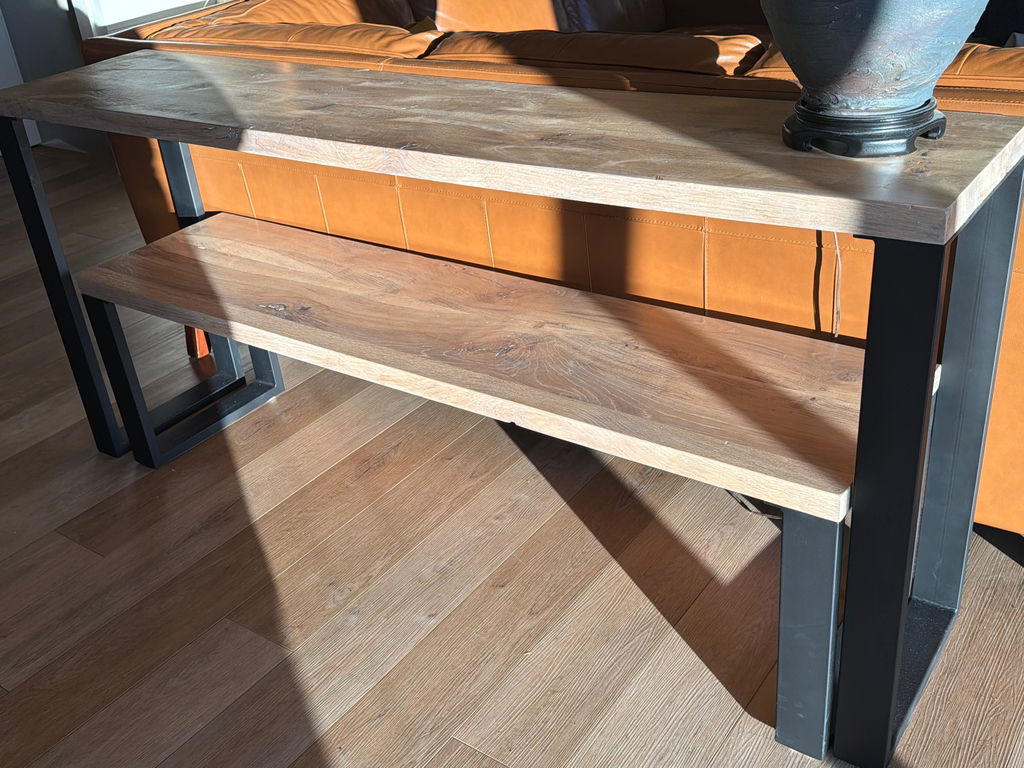
Custom components also help match your railing with other interior elements. For example, you can coordinate with heavy duty table legs or explore Selecting the Best Table Legs for Your Kitchen Table for a consistent design theme.
Benefits of custom parts:
-
Perfect fit for any space
-
Unique design options
-
Better functionality
-
Improved appearance
-
Increased property value
Maintenance of Metal Stair Parts
Regular maintenance keeps your railing system in good condition. Even strong materials need occasional care to stay durable and safe.
Simple cleaning and inspection can prevent major issues in the future. This is especially important for outdoor railings.
Maintenance tips:
-
Clean regularly with soft cloth
-
Check bolts and connectors
-
Remove rust early
-
Reapply protective coating
-
Inspect after heavy use
Conclusion
Understanding what parts are needed for metal stair railings helps you build a safe and reliable system. Each component, from handrails to brackets, plays an important role in strength and stability. Choosing high-quality parts and installing them correctly ensures long-term performance.
If you are planning a new railing system or upgrading your current one. Contact now to explore premium metal stair parts and get expert guidance for your project!
FAQs
What are the main parts of metal stair railings?
The main parts include handrails, posts, balusters, brackets, and mounting hardware.
Why are handrail brackets important?
They connect the handrail to posts or walls and provide extra support.
What material is best for stair railing parts?
Steel and stainless steel are the most popular due to their strength and durability.
Can I customize metal stair railing parts?
Yes, custom parts allow better fit and unique design options.
How often should I maintain railing parts?
You should inspect and clean them every few months to ensure safety.

Leave a comment
This site is protected by hCaptcha and the hCaptcha Privacy Policy and Terms of Service apply.