
Article: Steel and Metal Stair Railing Designs: Strong and Stylish Ideas for Modern Homes
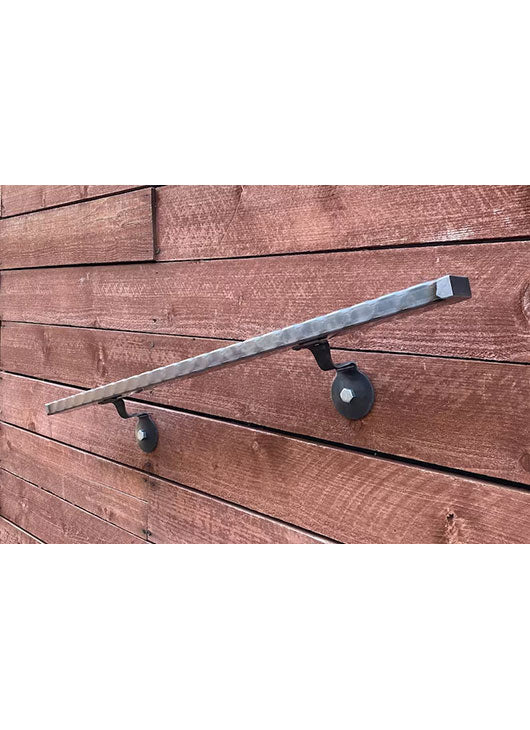
Steel and Metal Stair Railing Designs: Strong and Stylish Ideas for Modern Homes
Steel and metal stair railing designs can give a staircase a strong, clean, and modern look while providing important support. From simple straight rails to custom patterns, metal railings work well in many home styles. They can also pair with wood, glass, stone, and other materials. Choosing the right railing design means looking at safety, strength, finish, maintenance, and the overall style of the home.
Key Takeaways
-
Metal stair railings offer strength and long-term use.
-
Steel can work well in both modern and classic homes.
-
Different finishes can change the look of a staircase.
-
The railing should match the stair layout and surrounding space.
-
Good mounting is important for a safe and stable rail.
-
Indoor and outdoor staircases may need different materials and finishes.
-
Custom designs can help create a unique staircase feature.
Why Metal Works Well for Stair Railings
Metal is a popular choice for stair railings because it combines strength with design flexibility. A well-made railing can handle regular use while keeping a neat appearance. Metal also allows homeowners to choose from many shapes, finishes, and patterns. This makes it easier to find a railing that fits the size and style of a particular staircase.
Some benefits include:
-
Strong support for daily stair use
-
Many design choices
-
Easy-to-clean surfaces
-
Long service life with proper care
-
Options for indoor and outdoor use
-
Ability to combine with other materials
For homeowners who want a clean and lasting feature, metal handrails can be a practical choice. The final result depends on the metal type, finish, installation method, and level of care.
Popular Design Styles for Different Homes
The right railing design should support the staircase without making the space feel crowded. Simple lines often work well in modern homes, while decorative patterns can suit traditional spaces. The staircase itself should also guide the design. A narrow stairway may need a simpler rail, while a wide staircase may allow more detail.
Popular styles include:
-
Straight horizontal rails
-
Vertical metal balusters
-
Simple square railings
-
Curved handrails
-
Geometric patterns
-
Mixed wood and metal designs
-
Decorative ironwork
When comparing stainless steel railings, homeowners should also consider where the railing will be installed. Stainless steel can offer a clean appearance and is often selected for areas where a modern finish and resistance to corrosion are important.
Simple Designs for Modern Staircases
Modern staircases often look best with clean lines and limited decoration. A simple metal rail can help keep the area open while still adding a strong visual feature. Black, silver, or brushed finishes can work with many wall colors and flooring types.
Consider these ideas for a modern staircase:
-
Use straight lines with square posts.
-
Pair metal with natural wood steps.
-
Choose a simple finish.
-
Keep decorative details limited.
-
Match the railing with other metal fixtures.
-
Use glass panels with metal framing where suitable.
These metal staircase ideas can help homeowners create a staircase that feels current without becoming too busy. A simple design can also remain useful if the home's interior style changes later.
Classic Designs With Decorative Details
Metal does not have to look plain or industrial. Decorative railing patterns can add character to older homes, traditional interiors, and entry staircases. Curves, scrolls, repeated shapes, and other details can create a more formal look.
Classic design options may include:
-
Curved balusters
-
Scroll patterns
-
Twisted metal details
-
Decorative posts
-
Traditional ironwork
-
Simple ornamental panels
The key is to match the level of decoration to the rest of the room. Too much detail can make a small staircase feel crowded. A balanced design can provide a classic look while keeping the staircase easy to use.
Choosing the Right Metal for the Project
Different metals offer different benefits. Steel is often selected for its strength and versatility. Stainless steel may suit clean modern spaces, while other metal types can be finished or coated to create a wide range of looks.
When comparing materials, think about:
-
Strength
-
Indoor or outdoor location
-
Moisture exposure
-
Finish options
-
Maintenance needs
-
Design preferences
-
Installation method
-
Project budget
The best material is not always the most expensive one. It should match the actual needs of the staircase. For outdoor projects, the finish and protection against moisture can be just as important as the base metal.
Strength and Long-Term Performance
A stair railing must do more than look good. It should provide reliable support during everyday use. This means the design, material, mounting points, fasteners, and installation method all matter. A strong rail can provide dependable service for years when it is properly designed and maintained.
Important factors include:
-
Secure mounting points
-
Properly sized fasteners
-
Strong posts and brackets
-
Correct spacing
-
Suitable rail thickness
-
A finish suited to the environment
-
Regular inspections
For homeowners comparing durable railing options, it is useful to look at the complete system rather than only the railing material. A high-quality rail can still perform poorly if it is attached to a weak surface.
Mixing Metal With Wood and Glass
One benefit of metal railing systems is how well they combine with other materials. Wood can add warmth, while glass can help create a more open feeling. Metal provides the structure and a clean visual line.
Common combinations include:
-
Metal railing with wood stairs
-
Metal posts with glass panels
-
Wood handrails with metal balusters
-
Metal frames with stone steps
-
Dark metal with light wood
The combination should fit the home's existing design. For example, a warm wood staircase may look better with a simple metal finish than with a highly decorative rail.
Indoor Staircase Design Considerations
Indoor railings are often chosen based on both safety and appearance. Since they are part of the living space, homeowners may want a design that matches flooring, walls, furniture, and lighting. The finish should also be easy to clean because indoor rails receive frequent hand contact.
Before choosing an indoor design, consider:
-
Staircase size
-
Room layout
-
Wall color
-
Flooring material
-
Natural light
-
Existing fixtures
-
Overall interior style
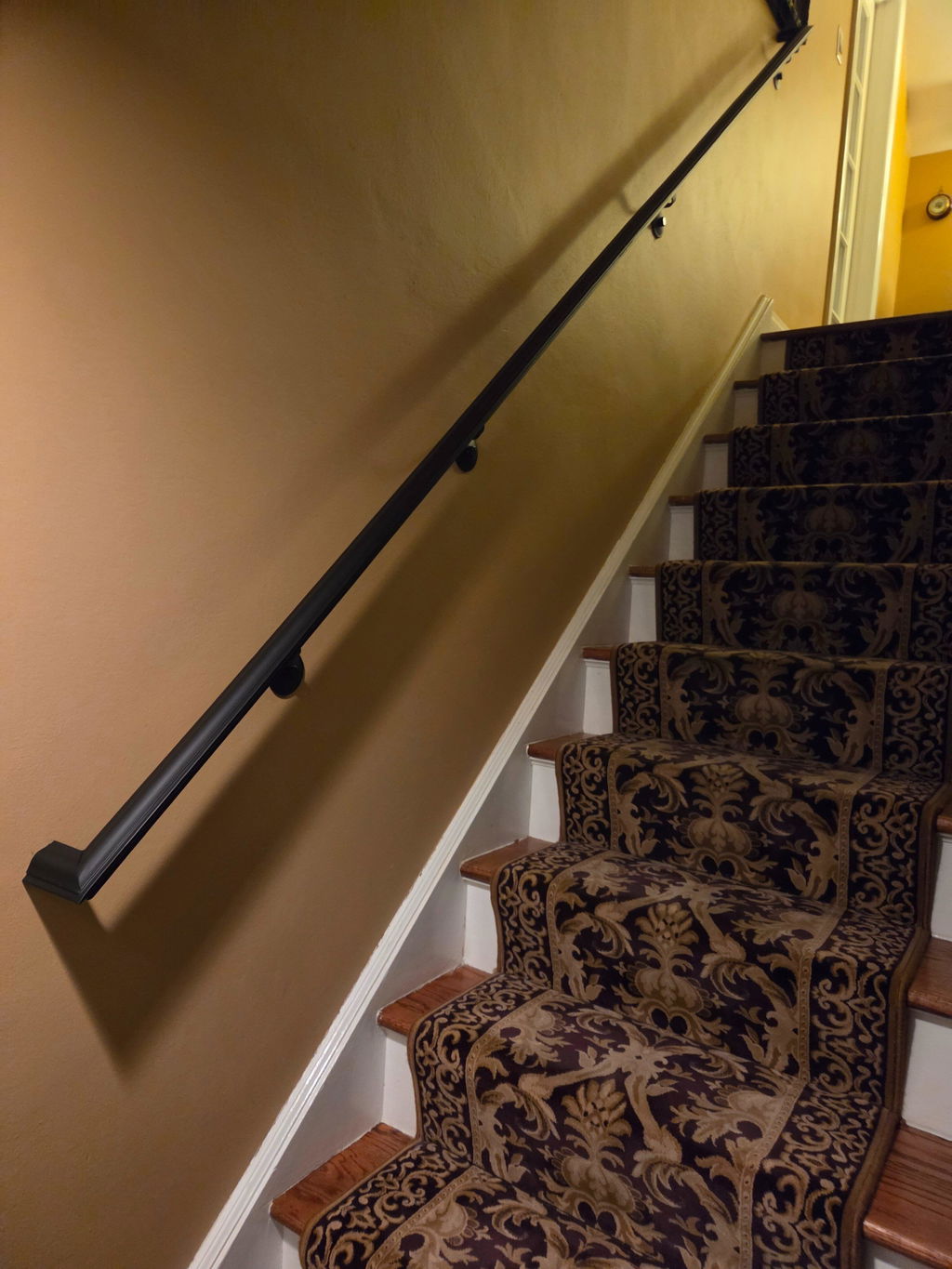
For example, metal stair rails can create a strong contrast against light-colored walls and wooden stairs. A simple profile can make the staircase feel neat without taking attention away from the rest of the room.
Outdoor Staircase Design Considerations
Exterior stairs need railing systems that can handle weather and repeated exposure. Rain, humidity, sunlight, and temperature changes can affect some materials and finishes. The design should therefore be selected with the local environment in mind.
For an exterior project, consider:
-
Weather exposure
-
Moisture resistance
-
Surface finish
-
Drainage around posts
-
Fastener type
-
Maintenance needs
-
Local building requirements
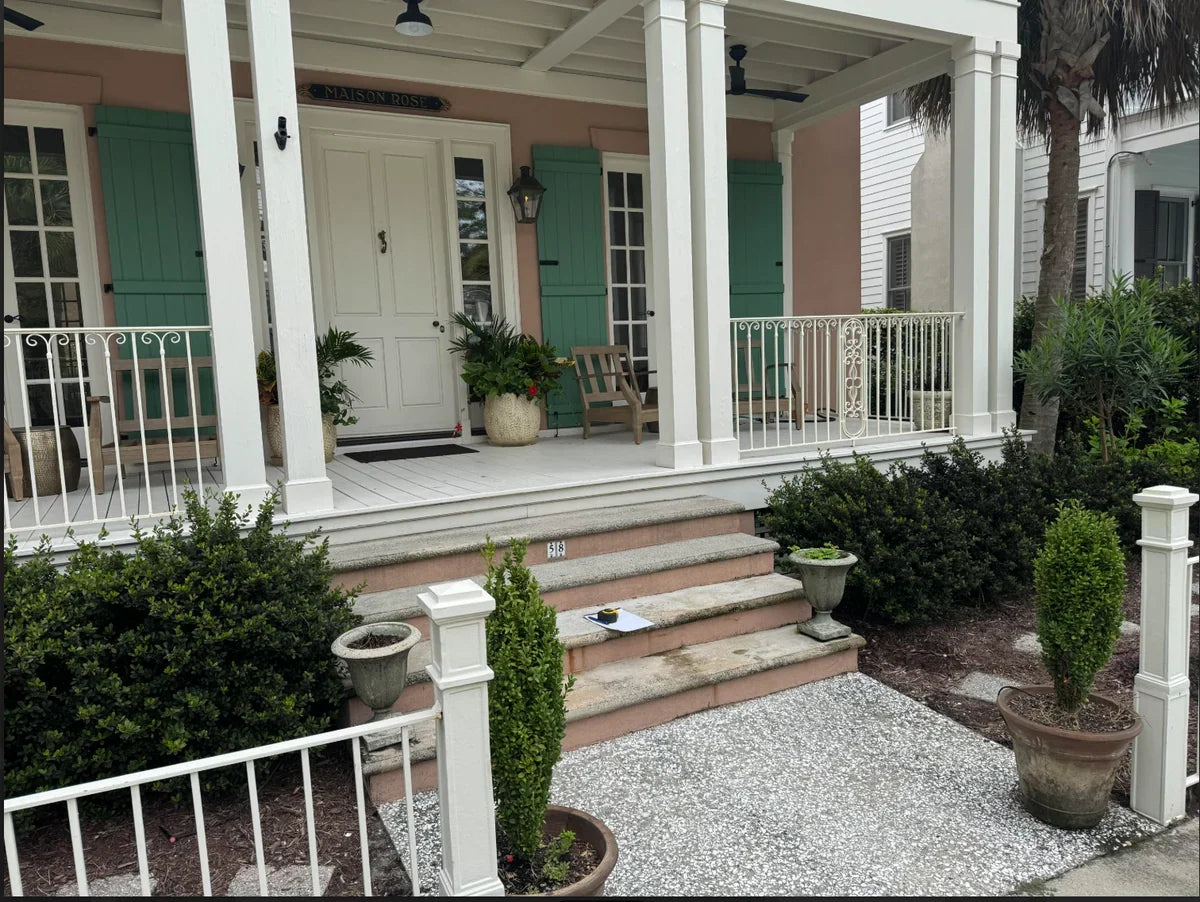
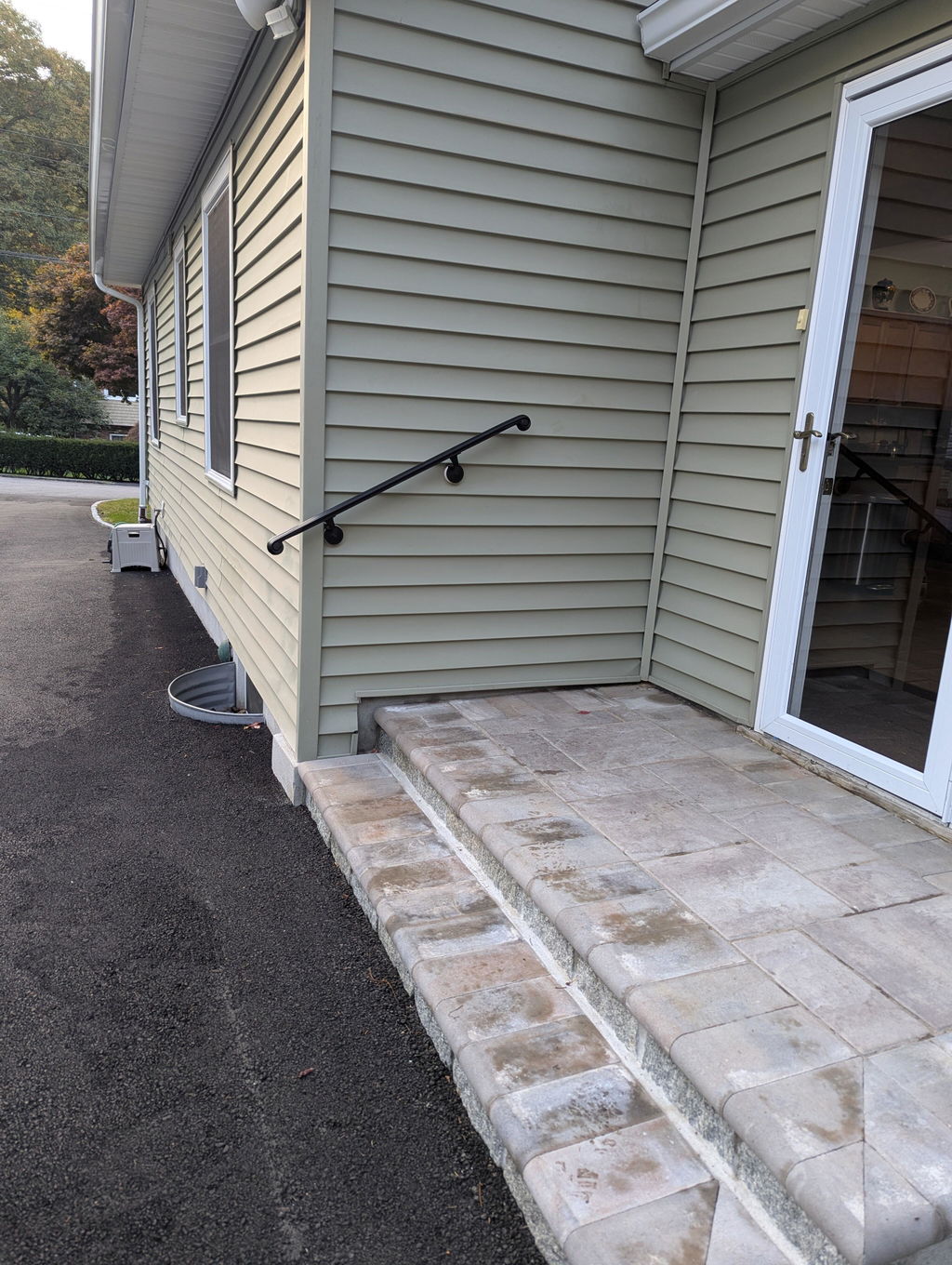
For example, metal handrails for porch projects can provide support while also framing the entrance. Similarly, metal handrails for outdoor steps can help make exterior stair areas easier to use when the right material and mounting method are selected.
Creating a Clean Interior Look
Interior metal railings can be used to make a staircase a strong design feature. They work especially well in homes that use simple furniture, open floor plans, and clean architectural lines. The railing does not need to be large or highly decorated to make an impact.
A clean interior approach can include:
-
Slim vertical balusters
-
Simple square posts
-
Smooth handrails
-
Matte or brushed finishes
-
Metal and wood combinations
-
Minimal decorative details
For contemporary spaces, metal stair railings interior designs can provide a strong visual line while keeping the staircase open. The final style should still allow people to move comfortably and safely around the stairs.
Railing Ideas for Porches and Walkways
Stair railings are not limited to indoor staircases. They can also be useful around porches, decks, entry steps, and raised walkways. Exterior railings should be planned around the path people use and the conditions of the property.
Useful applications include:
-
Front entrance steps
-
Raised porches
-
Deck stairs
-
Garden steps
-
Side entrances
-
Raised walkways
Outdoor handrails can provide extra support in areas where stairs or changes in height create a greater need for stability. A well-planned design can also make the entrance look more complete.
Adding Metal Details Beyond the Staircase
Metal features can be used throughout a home to create a connected design. A railing does not have to stand alone. Similar finishes and shapes can appear in furniture, tables, shelving, lighting, and other fixtures.
For example, homeowners may use custom table legs to repeat the same metal style found on a staircase. Other furniture applications include decorative wrought iron table legs, black metal table legs, or kitchen table legs metal designs.
These details can help connect different parts of a home without making every feature look identical.
How to Choose the Right Finish
The finish has a major effect on the final appearance of a metal railing. A polished finish can create a bright look, while a matte finish can feel more subtle. Dark finishes may add contrast, while lighter finishes can blend into the room.
When choosing a finish, consider:
-
Wall color
-
Stair material
-
Floor color
-
Lighting
-
Existing hardware
-
Indoor or outdoor use
-
Cleaning requirements
The finish should also be suitable for the environment. Exterior railings may need protective coatings to help reduce surface wear and corrosion.
Installation Matters as Much as Design
Even the best railing design needs proper installation. The mounting surface must be strong enough to support the system, and brackets or posts should be securely attached. Poor installation can affect both safety and the appearance of the finished staircase.
A good installation process should include:
-
Accurate measurements
-
Correct bracket placement
-
Strong mounting points
-
Suitable fasteners
-
Proper rail alignment
-
Final stability checks
For guidance on planning a safe and suitable railing project, review the available code resources and then contact a qualified railing professional to discuss the specific staircase.
Maintenance Tips for Metal Stair Railings
Metal railings are generally simple to maintain, but regular checks can help keep them looking and working well. Dust, dirt, moisture, and small surface problems should not be ignored. Early maintenance can help prevent minor issues from becoming larger repairs.
A simple care routine includes:
-
Wipe the rail regularly.
-
Check for loose fasteners.
-
Inspect joints and brackets.
-
Look for scratches or surface damage.
-
Clean outdoor rails after harsh weather.
-
Repair damaged protective finishes.
-
Check posts for movement.
The right cleaning method depends on the metal and finish. Avoid harsh products unless they are approved for the specific surface.
How to Select a Design for Your Home
Choosing a railing becomes easier when the decision is based on the whole staircase instead of one feature. Look at the home's style, stair layout, available space, and expected use. Think about how the railing will look from nearby rooms and entry points.
Use this simple checklist:
-
Measure the staircase.
-
Decide on a design style.
-
Choose the metal type.
-
Select a suitable finish.
-
Review mounting options.
-
Consider indoor or outdoor exposure.
-
Check local requirements.
-
Set a realistic project budget.
A railing should look natural within the space. It should support the staircase design rather than compete with it.
Final Thoughts
Steel and metal stair railing designs offer a useful mix of strength, style, and flexibility. From clean modern lines to classic decorative patterns, metal can suit many staircase types. The right choice depends on the home's design, stair layout, location, maintenance needs, and safety requirements.
A good railing should also be installed with care. Strong mounting, suitable materials, accurate measurements, and regular maintenance all help improve long-term performance. With thoughtful planning, a metal stair railing can become both a useful safety feature and an attractive part of the home.
Contact TLB Metal Products to discuss your stair railing project and find a metal railing solution that fits your home's needs.
FAQs
Are metal stair railings a good choice for homes?
Yes. Metal railings can provide strong support and complement many home styles. They are available in simple and decorative designs and can be combined with wood, glass, and other materials to create a look that suits the staircase and surrounding interior.
What metal is best for a stair railing?
The best metal depends on where the railing will be installed, the desired appearance, exposure to moisture, and maintenance needs. Steel and stainless steel are common choices for stair railings. The protective finish, overall construction, and installation system are also important factors when selecting a railing that provides reliable support and long-term performance.
Can metal railings be used outdoors?
Yes. Metal railings can be installed on porches, steps, decks, and other outdoor areas. The material and protective finish should be selected according to weather exposure, moisture levels, and local conditions. Proper installation and routine maintenance can also help protect the railing from corrosion and maintain its appearance over time.
Can metal railings be combined with wood stairs?
Yes. Metal railings and wood stairs are a popular combination for residential spaces. Metal provides a clean, structured appearance, while wood adds warmth and natural character. You can coordinate the two materials through railing color, metal finish, wood stain, and overall design to create a balanced look that complements your home.
How do I choose a stair railing design?
Start by considering the staircase size, home style, preferred material, finish, and intended use. Next, evaluate mounting requirements, maintenance needs, and applicable local building and safety codes. A professional can help you select a railing design that fits the available space, complements the surrounding features, and provides appropriate support.

Leave a comment
This site is protected by hCaptcha and the hCaptcha Privacy Policy and Terms of Service apply.