

How to Incorporate Contemporary Handrails into Modern Interiors
In the world of modern architecture, every design element counts—and handrails are no exception. More than just functional safety features, contemporary handrails are now central to interior design aesthetics. At TLB Inc., we specialize in crafting handrails that meet safety standards while reflecting current design trends. Whether you're renovating or building from scratch, the right handrail system can redefine the space around it.
Understanding Contemporary Handrail Design
Minimalism and Functionality
Modern interiors often rely on minimalist principles—clean lines, open spaces, and purposeful elements. Contemporary handrails align with this vision by blending seamlessly into the surroundings while offering reliable support. Designs focus on simplicity without sacrificing utility, striking a perfect balance between form and function.
Common Materials: Glass, Steel, Cable
Contemporary handrails frequently use glass, stainless steel, and cable. These materials offer a sleek aesthetic while delivering long-term durability and strength. Glass enhances transparency and light flow, while steel and cable add industrial refinement to modern interiors.
Floating Staircase Compatibility
Floating staircases are a signature of contemporary design. Integrating handrails with them requires precision and creativity. Frameless glass panels or minimal cable systems allow for a visually uninterrupted staircase that maintains structural integrity and safety.
Types of Modern Handrails for Interiors
Glass Panel Handrails
Glass handrails create an open, expansive feel and are ideal for maximizing natural light. Made from tempered or laminated glass, they provide safety without bulky frames or supports. They're particularly effective in lofts and staircases where visibility and modernity are key.
Stainless Steel Cable Railings
Cable railings are a favorite for modern homes, offering a lightweight, industrial look. Made from horizontal or vertical stainless-steel cables, these systems allow for a minimal visual profile while remaining sturdy and reliable.
Wood and Metal Combos
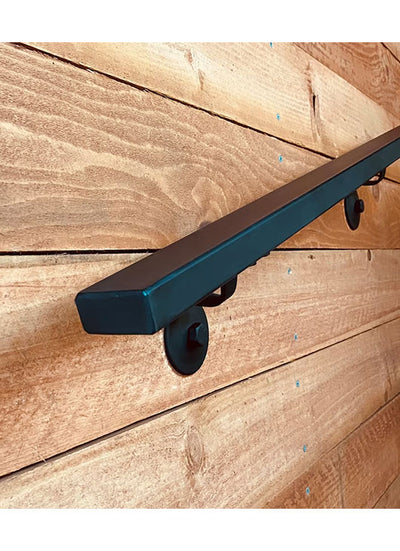
Blending wood with metal bridges traditional and modern design. Think walnut railings with black metal balusters, or oak handrails with stainless steel posts. These combinations provide warmth without compromising on contemporary style.
Frameless Railings
Frameless railings, typically made from glass or acrylic, eliminate the need for visible hardware. They offer an ultra-clean appearance and are often paired with floating stairs or mezzanines in modern homes.
Choosing the Right Finish for Modern Spaces
Brushed vs Polished Stainless Steel
Both finishes are popular, but each offers a different visual effect. Brushed stainless steel delivers a muted, matte look ideal for subtle interiors. Polished stainless steel, by contrast, is highly reflective, adding a sleek shine to high-contrast designs.
Matte Black and Other Trendy Coatings
Matte black finishes have surged in popularity, offering a bold yet neutral accent. Powder coating allows for a variety of trendy hues—from graphite to champagne gold—suiting diverse interior palettes and personal styles.
Warm Woods in Modern Homes
While metal and glass dominate modern design, warm-toned woods like maple, ash, or walnut can soften the industrial edge. Used as a top rail or accent, they introduce an organic element that contrasts beautifully with sleek metals.
Where to Install Contemporary Handrails
Main Staircases
Main staircases serve as visual anchors in many homes. Installing modern handrails here elevates both the safety and design sophistication of the entire space. Frameless glass or cable systems work particularly well.
Loft Spaces and Balconies
Lofts and upper-level balconies benefit from transparent handrail systems like glass or cable. These options preserve sightlines and openness, making the space feel larger and more connected.
Split-Level Living Areas
In homes with split levels, stylish handrails provide both practical and aesthetic benefits. Using consistent finishes throughout the house creates visual continuity, while space-saving wall-mounted rails work well in tighter corridors.
Safety Meets Style: Balancing Form and Function
Load-Bearing Standards
No matter how sleek your design, safety must come first. Modern handrails must comply with residential building codes, including the ability to support 200 pounds of horizontal force, as required by the International Residential Code (IRC).
Smooth Edges and Ergonomic Shapes
Contemporary handrails often feature rounded or bevelled edges that are easier to grip and safer for children or the elderly. Designs should prioritize comfortable and consistent grip surfaces for daily use.
Reinforcement for Glass Installations
Though visually seamless, glass railings require structural reinforcement at the base or side mounts. Partnering with a manufacturer like TLB Inc. ensures these railings are engineered for strength as well as appearance.
Installation Considerations
Working with Interior Designers
Collaborating with a designer ensures your handrails align with the broader interior theme. Designers help select materials and finishes that tie into lighting, flooring, and architectural details.
Contractor vs DIY
While some handrail systems are DIY-friendly, most contemporary styles—especially those involving glass or steel—require professional installation. Hiring certified contractors ensures code compliance and long-lasting durability.
Measuring and Pre-Planning
Accurate measurement is critical. Miscalculations can lead to costly adjustments or code violations. Always plan your handrail layout before construction or renovation begins to allow for proper anchoring and alignment.
Budgeting for Contemporary Handrails
Cost Range by Material
Prices vary significantly:
- Cable railings: $75–$200 per linear foot
- Glass railings: $150–$600+ per linear foot
- Wood-metal combos: $100–$300 per linear foot
TLB Inc. offers custom solutions to fit both premium and budget-conscious projects.
Long-Term Value
Though the upfront cost may be higher, contemporarymetal handrails offer superior durability, low maintenance, and timeless appeal. Investing in quality materials extends the life of your system and increases property value.
Hidden Costs to Watch Out For
Budget for:
- Custom fabrication
- Installation labor
- Hardware or mounting kits
- Permits (where applicable)
Understanding the full scope prevents surprises during the installation process.
Popular Brands and Inspiration Sources
Instagram & Pinterest Trends
Social platforms are full of inspiration. Look for hashtags like #ModernHandrails or #InteriorDesignRailings to see real-world applications. Minimalist stair safety features are especially popular on these platforms.
Case Studies of Designer Homes
Luxury homes featured in architectural case studies often showcase floating staircases and open concept designs using frameless glass or black powder-coated steel railings. These homes offer ideas on blending style with safety.
Architectural Magazines
Publications like Architectural Digest and Dwell frequently highlight innovative railing systems. They offer insight into trends and material combinations that you can replicate in your own space.

1 comment
Do you do floor mount hand railings for an outside deck
Tim Brown
Leave a comment
This site is protected by hCaptcha and the hCaptcha Privacy Policy and Terms of Service apply.