
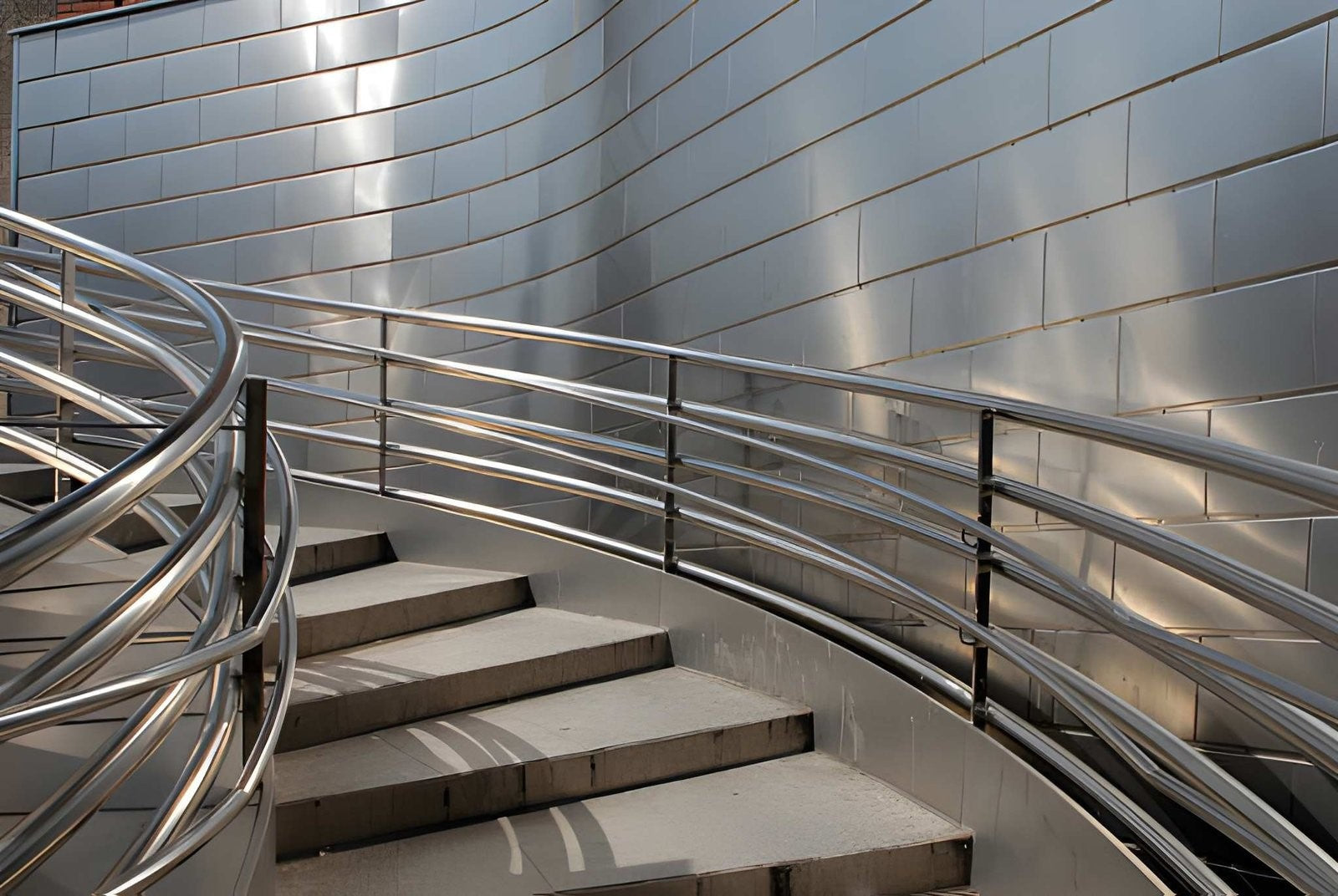
How Metal Handrails Outdoor Improve Safety and Exterior Design
Exterior spaces serve as important transition areas between indoor comfort and the surrounding environment. Walkways, patios, staircases, and entrances must balance visual appeal with practical safety. As architectural planning evolves, property owners increasingly prioritize features that enhance both usability and aesthetics.
Installing metal handrails in outdoor systems helps create safer environments while contributing to modern exterior design. These structures provide stability, guide movement, and visually define outdoor layouts without overwhelming architectural elements.
Why Metal Handrails Outdoor Are Essential for Exterior Safety
Outdoor environments often present unpredictable conditions due to rain, uneven surfaces, or changing seasons. Safety features reduce risks while allowing individuals to navigate spaces confidently. Handrails provide physical support that improves balance and mobility.
Reliable safety structures benefit users of all ages and abilities while supporting daily movement.
- Improved balance on stairs: Handrails provide a stable grip, helping individuals maintain control while ascending or descending steps.
- Reduced accident risks: Support structures minimize slips, especially during wet or low-visibility conditions.
- Safer shared environments: Visitors unfamiliar with the property layout gain additional confidence when moving through outdoor areas.
Metal Handrails Outdoor as a Design Element
Beyond safety, exterior features influence how a property is perceived visually. Modern design focuses on clean lines, material harmony, and functional elegance. Metal handrails contribute to this approach by offering minimal yet impactful design details.
Architectural consistency improves when safety elements also enhance visual composition. Metal finishes complement stone, wood, concrete, and glass, allowing designers to maintain stylistic continuity throughout exterior spaces.
Thoughtful placement ensures handrails appear integrated rather than added as an afterthought. This balance between functionality and aesthetics strengthens curb appeal and overall property value.
Material Durability and Structural Strength
Metal is widely chosen for outdoor installations because of its resilience under environmental stress. Exposure to sunlight, moisture, and temperature variation can quickly degrade weaker materials, but metal maintains stability over extended periods.
Durable construction ensures long-term reliability without frequent replacement. Strong materials also maintain their appearance, preventing visual deterioration that could affect exterior design quality.
Common durability advantages include:
- Resistance to cracking or warping
- Ability to handle consistent weight pressure
- Long service life under outdoor conditions
These characteristics make metal a dependable option for safety-focused exterior upgrades.
Applications of Metal Handrails Outdoor in Exterior Spaces
Outdoor handrails serve multiple functional roles depending on the layout of a property. Their adaptability allows them to support both residential and commercial environments while maintaining a consistent design language.
Handrails can be integrated into various exterior areas, including:
- Entry staircases: Provide safe access to front doors while enhancing first impressions.
- Garden pathways: Offer guidance along sloped or uneven landscaping routes.
- Deck and patio edges: Define boundaries without blocking views or airflow.
Accessibility Benefits of Metal Outdoor Handrails
Accessibility plays a vital role in modern exterior planning. Inclusive design ensures outdoor environments remain usable for individuals with varying mobility levels. Properly positioned handrails support independence while improving overall comfort, and companies like TLB Inc emphasize creating exterior solutions that prioritize both accessibility and user confidence.
Using metal outdoor handrails helps create welcoming environments that accommodate residents, guests, and visitors alike. Accessibility improvements also contribute to long-term usability as property needs evolve.
- Support for mobility assistance: Individuals using canes or needing extra balance benefit from continuous support.
- Improved navigation confidence: Clearly defined pathways help users move safely through unfamiliar spaces.
- Inclusive outdoor environments: Accessible design encourages equal participation in shared areas.
Weather Resistance and Outdoor Performance
Exterior installations must withstand diverse environmental conditions throughout the year. Rain, heat, wind, and humidity place constant stress on outdoor materials. Metal performs well because it resists many forms of environmental damage when properly finished.
Protective coatings enhance resistance against corrosion and fading, allowing handrails to maintain structural strength and visual consistency. Unlike materials prone to swelling or decay, metal remains stable despite seasonal fluctuations.
Weather resilience reduces maintenance concerns while ensuring safety features remain dependable.
Maintenance Benefits of Metal Handrails Outdoor
Maintenance considerations often influence material selection for exterior projects. Metal handrails require relatively little upkeep compared to many alternatives, making them practical for long-term installations.
- Simple cleaning process: Occasional wiping removes dust and environmental residue, preserving appearance with minimal effort.
- Long-lasting finishes: Protective coatings help prevent rust and maintain surface texture over time.
- Reduced repair needs: Strong materials resist damage, lowering maintenance demands.
Comparing Common Outdoor Handrail Materials
Choosing the right material involves evaluating durability, maintenance needs, and design compatibility. Each material offers unique characteristics depending on project goals.
|
Material |
Durability |
Maintenance Level |
Design Flexibility |
Outdoor Performance |
|
Metal |
High |
Low |
High |
Excellent |
|
Wood |
Moderate |
High |
Moderate |
Weather sensitive |
|
Vinyl |
Moderate |
Low |
Limited |
Moderate |
|
Glass |
High |
Moderate |
Modern aesthetic |
Requires cleaning |
Metal stands out for balancing strength, longevity, and visual adaptability.
Enhancing Property Value Through Exterior Improvements
Exterior upgrades influence both functionality and long-term property perception. Safety features that also improve aesthetics often contribute to stronger visual appeal and usability.
Well-designed handrails signal thoughtful planning and attention to detail. Visitors and residents perceive organized spaces as safer and more welcoming, which strengthens overall satisfaction with the property environment.
Consistent exterior enhancements can also support long-term maintenance efficiency by reducing future repair needs.
Design Versatility and Customization Options
Modern fabrication techniques allow metal handrails to adapt to different architectural styles. From minimalist homes to traditional structures, customization ensures compatibility with existing design elements.
Customization options include variations in finish, shape, and installation style. Designers can choose between matte textures, polished surfaces, or powder-coated colors to match surrounding materials.
This flexibility allows safety features to become intentional design components rather than purely functional additions.
Sustainability and Long-Term Environmental Benefits
Sustainability has become an important consideration in construction and exterior design. Durable materials reduce replacement frequency, minimizing resource consumption over time.
Metal is often recyclable, which contributes to environmentally responsible building practices. Long-lasting installations reduce waste while maintaining performance across decades of use.
Choosing durable materials supports both environmental awareness and practical long-term planning.
Planning Considerations Before Installation
Proper planning ensures handrails function effectively while aligning with property design goals. Evaluating layout, usage patterns, and environmental exposure helps determine optimal placement.
Important considerations include walkway width, stair height, and user accessibility needs. Professional design planning ensures handrails meet safety expectations while maintaining visual balance. Careful preparation improves both installation efficiency and long-term performance.
Conclusion
Outdoor environments benefit greatly from features that combine safety, durability, and visual appeal. Handrails serve as essential architectural elements that guide movement while enhancing design cohesion. By integrating strong materials and thoughtful placement, property owners can create exterior spaces that remain functional and welcoming.
Understanding how metal handrails and outdoor solutions support accessibility, resilience, and aesthetics allows for smarter exterior planning decisions. When properly designed and installed, metal outdoor handrails contribute to long-lasting safety and refined outdoor environments. Contact us today to learn how expertly designed outdoor handrail solutions can enhance safety, functionality, and the overall appearance of your exterior spaces.

Leave a comment
This site is protected by hCaptcha and the hCaptcha Privacy Policy and Terms of Service apply.