
Article: Front Porch Step Railing Solutions for Safer, Better-Looking Entrances
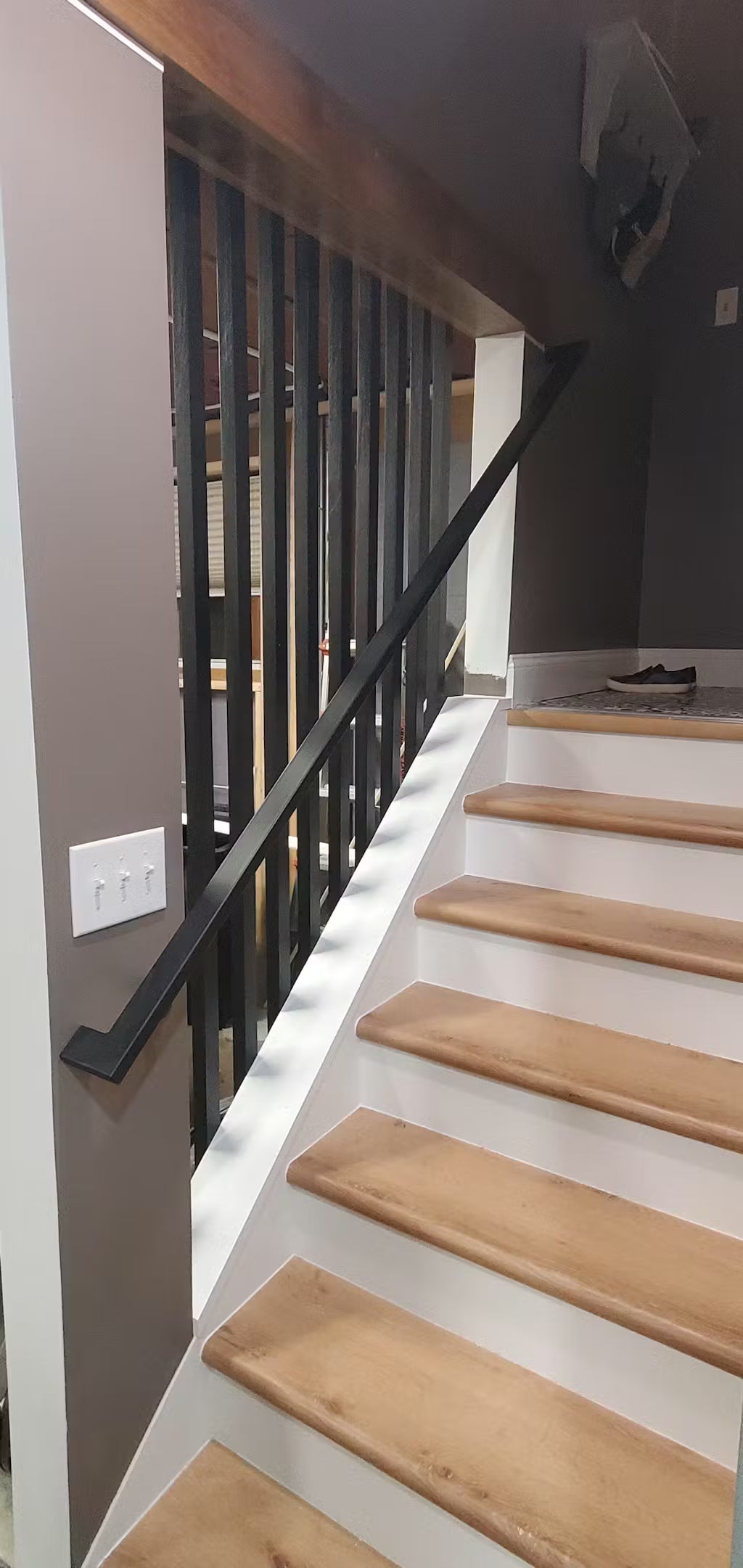
Front Porch Step Railing Solutions for Safer, Better-Looking Entrances
Front porch step railing solutions can make an entryway safer while also improving the appearance of a home. A well-designed railing gives people something stable to hold while using the steps. It can also define the porch and add a finished look to the front of the property.
Choosing the right railing takes some planning. The number of steps, porch design, weather exposure, maintenance needs, and home style all matter. Homeowners should also check local building requirements before starting the project.
Key Takeaways
A good porch railing should provide support without making the entryway look crowded. The right material and design can also help the railing handle outdoor conditions and regular use.
-
Choose materials suited to outdoor exposure.
-
Match the railing with the home's exterior.
-
Consider the number and shape of the steps.
-
Think about long-term maintenance.
-
Check local requirements before installation.
-
Use custom designs when standard sizes do not fit.
How to Compare Front Porch Step Railing Solutions
The best railing depends on how the porch is used and how the steps are built. A small porch with two or three steps may need a simple railing, while a larger entrance may require railings on one or both sides.
The railing should also provide a comfortable grip and feel strong when used. Its design should not block the path or make the steps feel narrow.
When comparing options, consider:
-
Porch size and layout
-
Number of steps
-
Railing height
-
Material durability
-
Finish and colour
-
Installation method
-
Maintenance needs
Taking these points into account can make the selection process much easier.
Choosing the Right Porch Railing Materials
Outdoor railings face conditions that indoor railings do not. Rain, sunlight, humidity, dirt, and temperature changes can affect some materials over time. This makes material selection an important part of the project.
Metal can be a strong choice when it is properly finished and maintained. Wood can provide a warmer traditional appearance, while other materials may offer different maintenance benefits.
Homeowners should compare:
-
Durability
-
Weather resistance
-
Appearance
-
Cleaning needs
-
Expected lifespan
-
Installation requirements
The best material is the one that fits both the home's style and the local outdoor conditions.
Step Railing Ideas for Small and Large Porches
The size of the porch can guide the railing design. Small porches often benefit from simple lines that keep the entrance open. Larger porches can support more decorative details or wider railing sections.
A simple railing can also make a small entrance feel less crowded. For a larger porch, a decorative design can become an architectural feature.
Possible approaches include:
-
Straight rails for simple entrances
-
Vertical balusters for a classic look
-
Decorative designs for larger porches
-
Simple dark finishes for modern homes
-
Custom layouts for unusual steps
The goal is to create a railing that supports the steps without overwhelming the front of the home.
Metal Handrails for Porch Steps
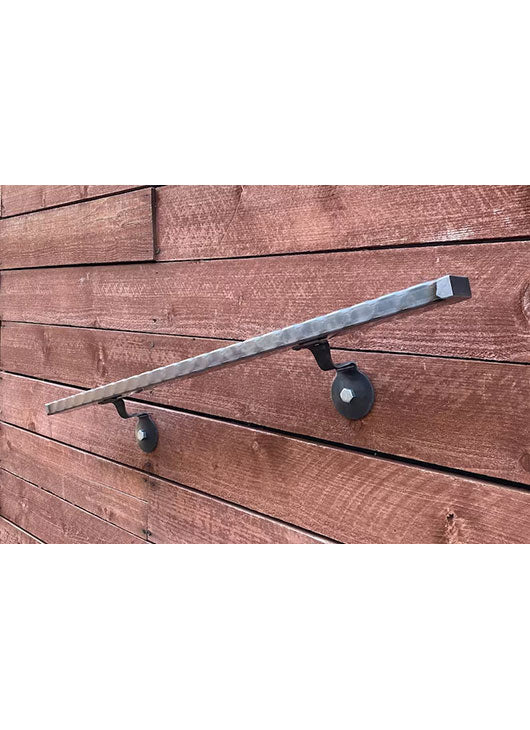
Metal handrails for porch can provide a practical mix of strength and style. They can be designed to suit different porch shapes and may be available in simple or decorative patterns.
For homes with a modern exterior, a clean metal design can create a sharp appearance. Traditional homes may benefit from more detailed metalwork that matches existing features.
When selecting a railing, think about how it will look from the street as well as from the porch. The front entrance is one of the first areas visitors notice.
Metal Handrails for Outdoor Steps and Safety
Metal handrails for outdoor steps can be useful when steps are exposed to rain or frequent use. A strong, properly installed handrail can provide support as people move up and down the stairs.
The railing should be easy to grip and placed where it can be used naturally. Installation should also account for the structure of the steps and porch.
Important considerations include:
-
Secure attachment points
-
Comfortable hand placement
-
Proper railing height
-
Clear walking space
-
Suitable outdoor finish
Local codes may have specific requirements for stairs and handrails. Always check the rules that apply to the property before installation.
Outdoor Handrails That Match the Home
Outdoor handrails do not have to look like an afterthought. A well-designed railing can complement siding, doors, porch columns, lighting, and other exterior details.
For example, a black railing can provide contrast against a light exterior. A simpler finish may work better when the home already has many decorative features.
Good design choices include:
-
Matching the railing with exterior hardware.
-
Keeping the design in line with the home's style.
-
Avoiding overly complex patterns on small porches.
-
Using durable finishes for exposed areas.
A coordinated railing can make the entire entrance feel more complete.
Metal Railing Designs for Modern Homes
Modern homes often work well with simple metal designs. Straight lines and open spaces can keep the porch looking clean while providing the needed support.
A minimalist railing may be especially useful when the home has modern siding, large windows, or simple landscaping. The railing should support the overall design instead of competing with it.
For a modern entrance, consider:
-
Straight vertical lines
-
Minimal decorative details
-
Simple dark finishes
-
Clean connections
-
Open visual space
The result can be a porch that feels neat, balanced, and easy to maintain.
Decorative Options for Traditional Homes
Traditional homes may benefit from more detailed metalwork. Curves, scrolls, and repeated patterns can add character to the porch while connecting the railing to the home's existing architecture.
However, decorative does not always mean complicated. A few carefully chosen details can create a classic look without making the entrance feel too busy.
Consider:
-
Simple scroll patterns
-
Curved sections
-
Decorative balusters
-
Dark classic finishes
-
Designs that match existing trim
The best result is one that looks like part of the original home design.
When Custom Railings Make Sense
Not every porch has standard measurements. Steps may be curved, angled, unusually wide, or built around existing structures. In these cases, a custom railing may offer a better fit.
Custom metalwork can also help homeowners create a more unique exterior. The design can be made to suit the porch instead of forcing the porch to fit a standard product.
Custom options can help with:
-
Unusual step layouts
-
Larger porches
-
Curved stairways
-
Specific design requests
-
Matching existing metalwork
Custom work can also support other home projects where homeowners want a coordinated metal design, including decorative wrought iron table legs.
Maintenance Tips for Outdoor Railings
Outdoor railings need regular care because they are exposed to changing weather. Simple cleaning can remove dirt and help homeowners spot surface damage early.
Check the railing from time to time, especially after periods of severe weather. Loose connections, chipped finishes, or visible corrosion should be addressed before the problem grows.
Basic maintenance includes:
-
Cleaning dirt and dust.
-
Checking fasteners and joints.
-
Looking for surface damage.
-
Touching up small finish problems.
-
Keeping the area around the railing clear.
Proper care can help keep the railing attractive and useful for many years.
Final Thoughts on Front Porch Step Railing Solutions
The right front porch step railing solutions should combine safety, durability, and curb appeal. Material choice, porch size, step layout, finish, and maintenance all play a role in the final decision.
A simple design can work well for a modern home, while decorative metalwork may suit a traditional property. Homeowners should also consider local requirements and choose a railing that can handle regular outdoor exposure.
For homeowners planning outdoor home improvements, contact TLB Metal Products to discuss custom railing options for your front porch steps and create a solution that fits your home.
FAQs
What is the best railing for front porch steps?
The best railing depends on the porch design, number of steps, weather exposure, and home style. Metal railings are a popular choice because they can offer strength, durability, and many design options. The railing should also provide a comfortable grip and be securely installed.
What material is best for outdoor porch railings?
Metal, wood, and other materials can work for outdoor railings. Metal is often a practical choice because it can be designed for outdoor use and finished to help protect against weather. The right material depends on the home's style, maintenance needs, and local conditions.
Do porch steps need a handrail?
Whether a handrail is required depends on factors such as the number of steps and local building codes. Requirements can vary by location and property type. Homeowners should check applicable local regulations before installing or replacing a porch railing.
Can a porch railing be custom-made?
Yes, porch railings can be custom-made to fit unusual step layouts, curved porches, wider entrances, or specific design preferences. Custom railings can also be designed to match other exterior features and create a more consistent appearance.
How do I maintain an outdoor metal railing?
Regular cleaning and inspections can help maintain an outdoor metal railing. Remove dirt and debris, check for loose connections, and look for scratches or signs of surface damage. Addressing small problems early can help keep the railing looking good and performing properly.

Leave a comment
This site is protected by hCaptcha and the hCaptcha Privacy Policy and Terms of Service apply.