
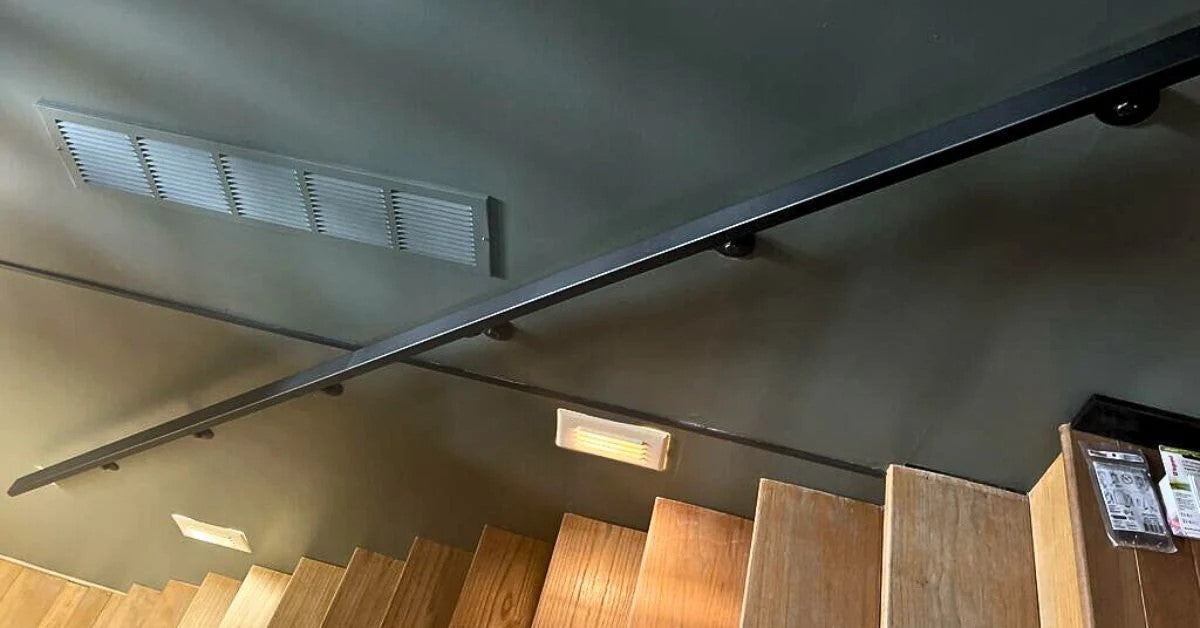
Top Commercial Handrails for Safety and Design
Commercial handrails serve a dual purpose, ensuring the safety of building occupants and enhancing the architectural aesthetics of a space. At TLB Inc., we understand the balance between function and form when it comes to metal handrails. Whether you're retrofitting an older structure or designing a new commercial facility, choosing the right handrail system is essential to meeting legal codes, minimizing liability, and delivering a polished look.
Why Commercial Handrails Matter
Legal Safety Requirements (ADA, OSHA)
Compliance with safety standards isn’t optional. The Americans with Disabilities Act (ADA) and Occupational Safety and Health Administration (OSHA) regulations require that commercial handrails meet specific dimensions, placements, and accessibility standards. Non-compliance can result in penalties and increased liability.
Impact on Liability & Insurance
Handrails are a frontline defense against accidents in stairways, ramps, and elevated walkways. Installing code-compliant handrails not only minimizes the risk of slips and falls but also lowers insurance premiums and potential litigation.
Visual Aesthetics and Brand Identity
Beyond safety, handrails contribute to the visual appeal of commercial interiors and exteriors. Sleek, modern railings made from stainless steel or aluminium reflect professionalism and reinforce brand identity through customized design elements.
Types of Commercial Handrails
1. Stainless Steel Handrails
Durable, corrosion-resistant, and easy to maintain, stainless steel is the go-to choice for high-traffic commercial settings like airports and malls. It blends seamlessly with contemporary designs and stands up to the elements in outdoor applications.
2. Aluminium & Glass Handrails
Lightweight yet sturdy, aluminium handrails for stairs are favored for their affordability and resistance to rust. When paired with tempered glass panels, they create an open, modern look ideal for office lobbies and hospitality environments.
3. Wooden Handrails in Commercial Settings
While less common in heavy-use commercial facilities, wooden handrails add warmth and character. They are often used in boutique hotels, historic renovations, and upscale retail stores where aesthetics are a priority.
4. Wall-Mounted vs Post-Mounted Handrails
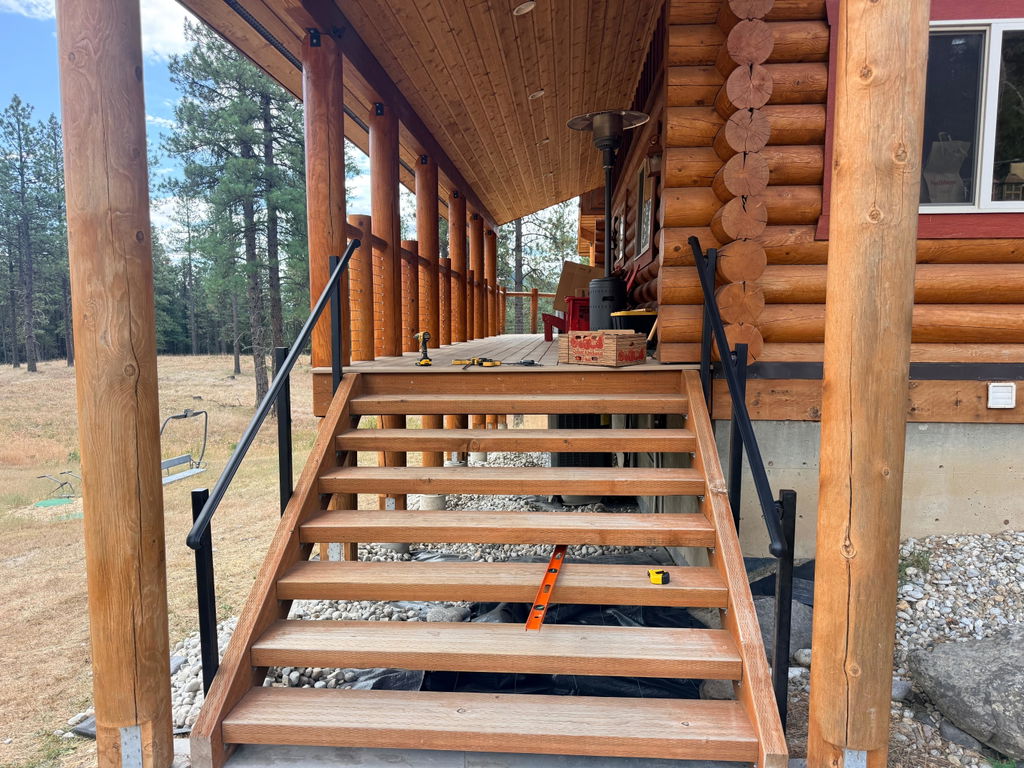
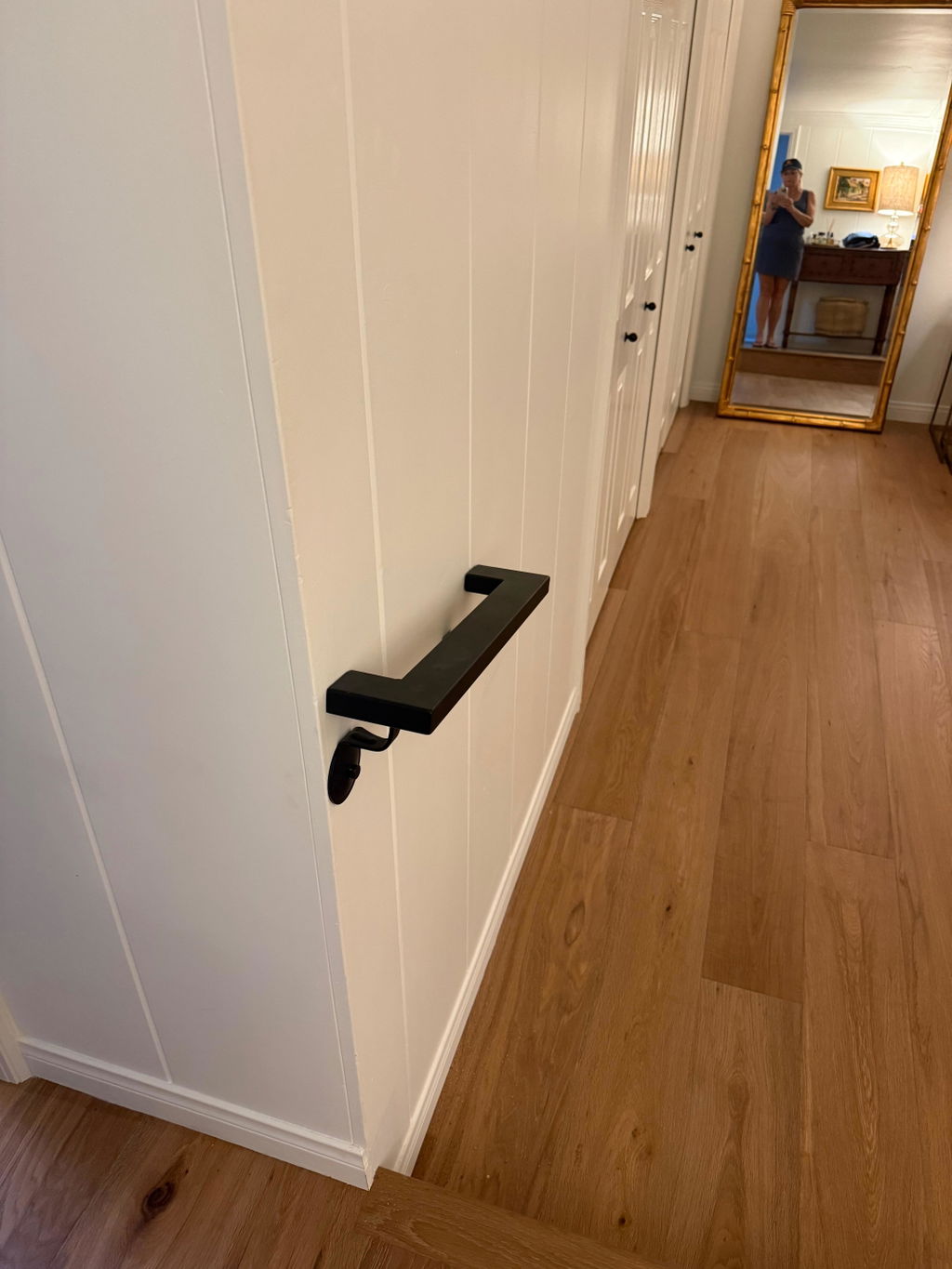
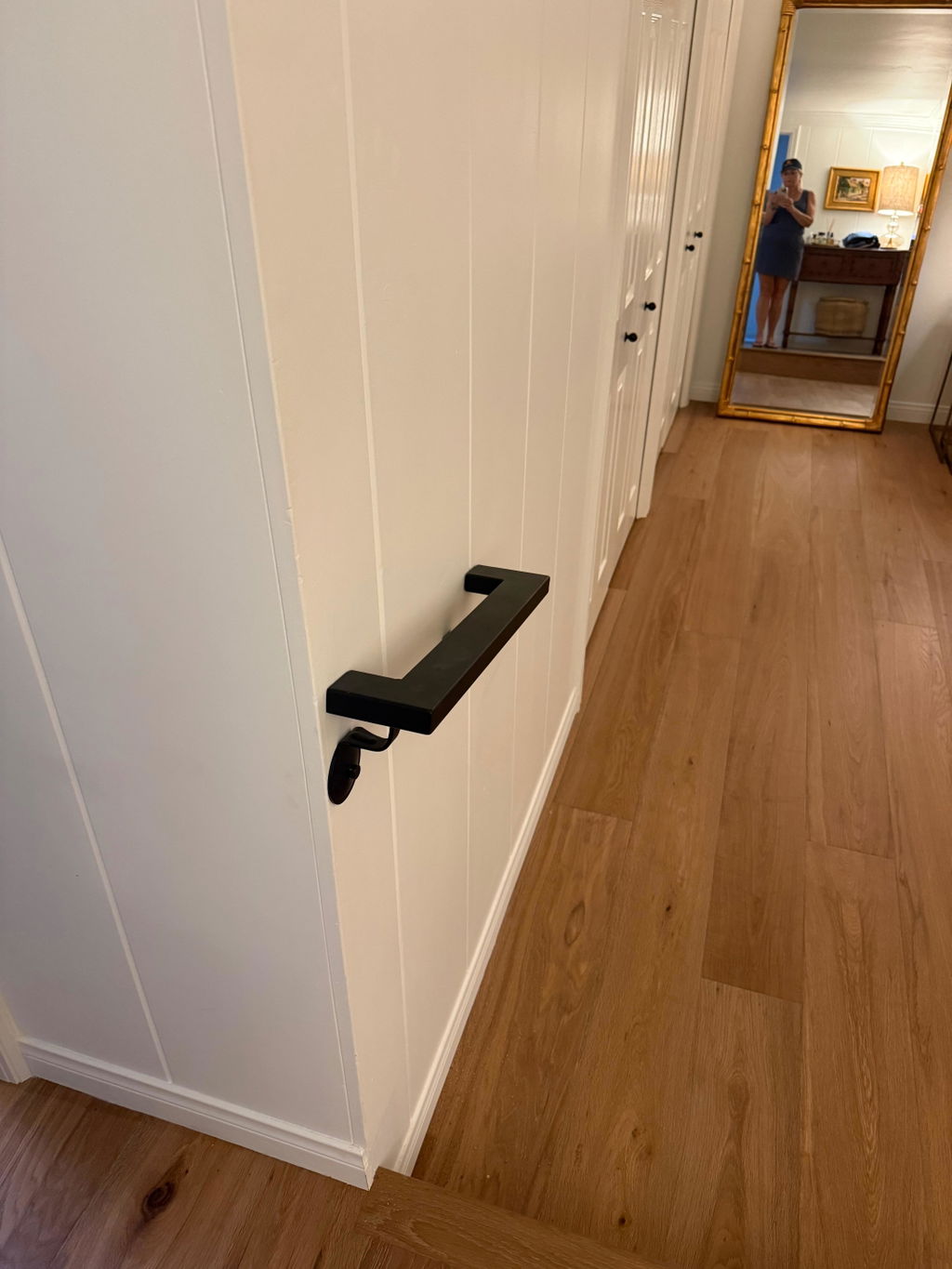
Wall-mounted handrails are ideal for narrow stairwells and corridors, offering space-saving safety. Post-mounted systems, on the other hand, are commonly used for open areas and exterior ramps, providing both structural support and design flexibility.
Handrail Designs That Prioritize Safety
- Anti-slip Grips
Grip texture is critical for user safety, especially in wet or humid environments. Options like knurled surfaces or rubberized coatings enhance traction and reduce the risk of slipping.
- Height and Width Standards
ADA mandates require handrails to be mounted between 34 and 38 inches above the walking surface, with a minimum clearance of 1.5 inches from the wall. These measurements are critical to ensure usability for people of all abilities.
- Round vs Flat Handrails
Round handrails are easier to grip and are more commonly used in public settings. Flat designs, though modern and stylish, may be harder for some individuals to grasp securely, making them less ideal for high-safety zones.
Customization Options for Commercial Spaces
1. Color Coating and Finishes
Powder-coated handrails offer not only enhanced durability but also design versatility. Choose from a wide range of colors to match your business’s branding or interior palette.
2. Integrated Lighting
LED-integrated handrails increase visibility during nighttime or low-light conditions. They also add a contemporary flair to entrances, staircases, and pathways.
3. Branding through Design
Custom engraving, corporate logos, and signature color schemes can be embedded into your handrail design to subtly communicate your brand identity while staying functional and compliant.
Compliance Considerations for Commercial Handrails
- ADA Compliance
Ensure all handrails have a continuous gripping surface, are mounted at the correct height, and feature smooth transitions at bends and terminations. ADA compliance is non-negotiable for any public-access commercial space.
- International Building Code (IBC) Standards
The IBC governs handrail load requirements, spacing, and placement. For example, rails must support at least 200 pounds of force, and intermediate supports should be placed at no more than 6 feet apart.
- Local Jurisdiction Variances
While federal and international standards apply broadly, always consult with a local expert to understand city or county-specific codes, which may include more stringent regulations or aesthetic restrictions.
Ideal Locations for Commercial Handrail Installation
1. Office Buildings
Multi-level office complexes benefit from robust handrails in stairwells, atriums, and rooftop decks. Custom design ensures handrails align with the building’s professional aesthetic.
2. Schools and Universities
Educational institutions require ADA-compliant systems with anti-slip grips and child-safe heights to ensure safety for students of all ages.
3. Hospitals and Public Areas
Handrails in healthcare settings must be sanitary, easy to clean, and designed to support patients with limited mobility. Stainless steel is the preferred material here.
4. Retail and Hospitality
For customer-facing businesses, handrails must serve both aesthetic and functional purposes. Powder-coated aluminium railings can be matched to interior themes and provide safety for patrons.
Choosing the Right Manufacturer or Installer
Questions to Ask Before Buying
- Are the handrails ADA and IBC compliant?
- What materials and finish options are available?
- Do you offer installation and after-sales service?
Verifying Certifications
A trustworthy supplier like TLB Inc. will readily provide proof of ISO certifications, ADA compliance, and warranty documentation.
Warranty and Maintenance
Look for products that come with a minimum 5- to 10-year warranty, and ensure the manufacturer offers support for future upgrades and repairs.
Maintenance Tips for Commercial Handrails
Cleaning Techniques by Material
- Stainless steel: Use non-abrasive cleaners and microfiber cloths.
- Aluminium: Rinse with water and mild detergent.
- Wood: Apply wood polish and avoid prolonged exposure to moisture.
Inspection Schedules
Establish a quarterly inspection plan to check for:
- Structural integrity
- Corrosion or finish wear
- Loose fittings
Replacements and Upgrades
Outdated or damaged handrails should be replaced promptly to maintain compliance and reduce liability. Modular handrail systems make upgrades easier without full replacements.
Real-World Applications and Case Studies
Airport Handrails
TLB Inc.’s aluminium handrails have been successfully installed in regional airport terminals, offering durability and ease of maintenance while handling heavy daily foot traffic.
High-Rise Office Buildings
Stainless steel post-mounted handrails in high-rise stairwells ensure occupant safety during both daily use and emergency evacuations.
Educational Institutions
Custom powder-coated railings at several universities have enhanced both the safety and architectural identity of campus buildings.
Frequently Asked Questions
Q1. Are commercial handrails required by law in all buildings?
Q2. What materials are best for commercial stair handrails?
Q3. Can I get customized handrails for branding?
Q4. What’s the lifespan of a commercial handrail system?
Q5. How do I ensure ADA compliance in handrail installation?


Leave a comment
This site is protected by hCaptcha and the hCaptcha Privacy Policy and Terms of Service apply.